
close
Choose Your Site
Global
Social Media
Views: 0 Author: Site Editor Publish Time: 2026-10-04 Origin: Site


First-time parents quickly realize a hard truth regarding infant care. Garment closures dictate the stress level of a 3 AM diaper blowout. You stand over the changing table, exhausted, fumbling to secure tiny clothes. We must move past basic aesthetics to evaluate practical mechanics. Assessing the safety and longevity of common garment closures remains essential. There is no universal best choice for every single family. The right design depends heavily on your baby's current mobility stage. Fabric quality and the specific time of day also matter greatly. By comparing different fastening systems, you can build a highly functional wardrobe. You will learn how to match closure types to specific parenting scenarios. This knowledge helps caregivers avoid unnecessary frustrations during daily routines. We will break down exactly what makes one design superior in specific situations. Every caregiver deserves clothing solutions making daily infant care smoother.
Zipper superiority for sleep: Two-way zipper baby rompers are the industry standard for nighttime wear due to speed and low-light ease.
Snap advantage for daytime: Snap closures offer superior flexibility, targeted access, and lie flat for optimal tummy time comfort.
The two-way rule: A one-way zipper defeats the purpose of a quick diaper change; always evaluate zipper direction before purchasing.
Quality dictates durability: Cheap snaps rip through thin fabric, while cheap zippers derail; fabric reinforcement is the true differentiator.
Newborns typically require eight to twelve diaper changes every single day. This baseline reality hits new parents hard during the first month. The closure style directly impacts how long a baby stays exposed. Cold air hitting bare skin creates immediate physical distress for infants. Newborns cannot regulate their own body temperature efficiently. This cold exposure often dictates whether an infant remains asleep or wakes up crying. Caregivers also expend unnecessary physical effort fighting poorly designed garments. You want systems working seamlessly alongside your daily parenting rhythms.
Consider the intense low-light friction of nighttime parenting. We often face the midnight change scenario operating on severe sleep deprivation. During these vulnerable moments, you need distinct tactile feedback. Caregivers require a very low cognitive load to function effectively. Fumbling to align tricky fabrics in the dark causes immense frustration. Every second counts when you want to return to bed quickly. Smooth mechanics prevent minor inconveniences from escalating into full meltdowns. You need intuitive designs functioning predictably even when you feel exhausted.
The squirm factor further complicates this repetitive daily chore. Babies eventually transition into active rolling and crawling developmental phases. They rarely stay still on the changing pad anymore. Your window to secure a garment closure shrinks to mere seconds. You simply cannot negotiate with a highly active, kicking infant. The right closure transforms a chaotic wrestling match into a manageable task. You need practical solutions functioning perfectly under high-pressure scenarios. Choosing intelligent designs helps maintain your peace of mind.
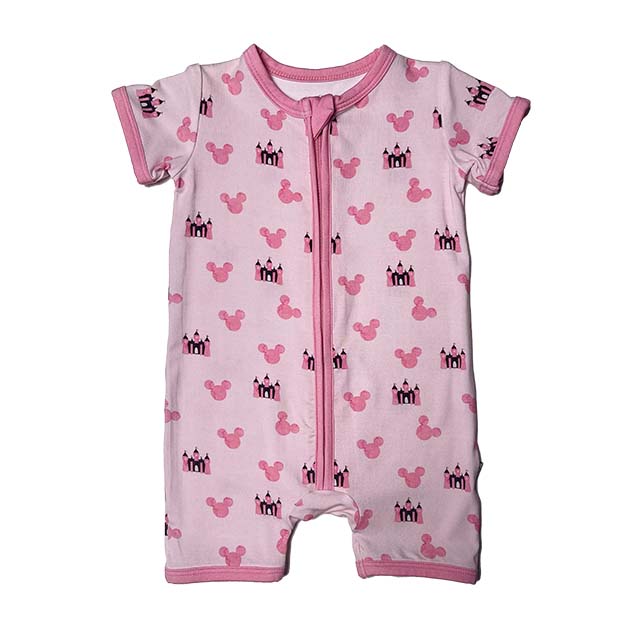
Exploring features to outcomes reveals distinct mechanical advantages. Two-way zippers allow caregivers to unzip directly from the ankle upwards. You keep the baby's chest completely covered and warm. This feature proves invaluable during messy bottom-half diaper changes. It prevents upper-body heat loss during vulnerable nighttime moments. A well-designed zipper baby romper offers remarkable speed. It provides the fastest possible full-body closure for highly active babies. Caregivers can secure a wriggling toddler in record time. The continuous track mechanism requires zero alignment guesswork.
However, we must evaluate implementation risks and hidden downsides carefully. Zippers inherently create a rigid vertical line down the garment front. This hardware causes a distinct bunching effect during movement. The fabric often bundles up near the chin when a baby sits upright. This bunching restricts neck mobility and causes mild irritation. Skin pinching poses another significant hazard for hurried parents. Caregivers routinely rush through changes to soothe a crying child. Raw metal or plastic tracks easily catch sensitive neck skin. The resulting pinch causes immediate pain and lingering red marks.
Manufacturers must include a high-quality fabric chin guard. Industry professionals commonly call this protective flap a zipper garage. An interior fabric backing flap remains equally critical for daily safety. These elements shield delicate skin from harsh hardware entirely. Finally, buyers must beware the dreaded one-way trap. Single-direction zippers demand exposing the entire torso instantly. You must strip the infant completely naked for a simple diaper change. Industry experts consider this a major design flaw. Always check zipper pull directions before purchasing any sleepwear.
Snap-based garments deliver unique features yielding highly specific outcomes. Targeted access stands out as a primary mechanical benefit. Caregivers easily open just the crotch or leg sections. You do not disturb the rest of the carefully assembled outfit. This proves highly convenient during busy daytime outings. Tummy time comfort represents another major developmental advantage. Pediatricians highly recommend daily tummy time for core motor development. Snaps lie completely flat against the baby's body. They flex naturally alongside the fabric weave during movement. This construction eliminates the hard central ridge associated with rigid zippers. Babies practice lifting their heads without experiencing uncomfortable abdominal pressure points.
Temperature regulation also improves significantly utilizing these modular closures. You can partially open individual sections to vent excess heat. This prevents dangerous overheating on unexpectedly warmer days. A reliable snap baby romper stays securely mounted on the shoulders. It cools the legs without risking the garment falling off completely. Caregivers maintain precise control over the infant's microclimate.
Despite these clear benefits, snap designs carry implementation risks and frustrations. Caregivers must understand these downsides to manage daily expectations. Consider the following common challenges:
The Misalignment Risk: These garments remain highly prone to off-by-one errors in the dark. You often reach the collar only to realize your mistake. The caregiver must undo and redo the entire sequence, risking waking the baby.
Time Consumption: Securing ten or more individual snaps takes significant manual dexterity. Executing this fine motor task on a kicking infant requires immense patience. It adds unnecessary minutes to a simple diaper change.
Fabric Tear: Repeated aggressive pulling damages low-quality snap attachments. They eventually tear the surrounding fabric over time. This damage occurs frequently in ultra-stretchy bamboo blends lacking reinforced backing panels.
Choosing the right closure depends entirely on specific parenting scenarios. We evaluate these options by age and developmental milestone. Newborns from zero to three months need maximum warmth constantly. Two-way zippers minimize cold exposure during high-frequency early changes. Crawlers between six and twelve months never stay still. Quick zippers prevent the baby from escaping half-dressed across the nursery room. Walkers over twelve months benefit from distinct clothing styles. Snaps strictly at the crotch allow for easy pull-down access. Pair this modular style alongside a flexible envelope neckline. This specific combination heavily supports early potty training efforts. It facilitates incredibly quick standing changes for busy toddlers.
We also evaluate functionality based on the time of day. Zippers remain highly recommended for all dedicated sleepwear. Pajamas and footies benefit immensely from continuous track closures. Snaps are heavily favored for structured daytime outfits. Layering pieces and formal wear usually require modular fastening systems. You match the tool exactly to the current environment.
Accessibility considerations play a crucial role for many modern caregivers. Zippers are generally much more accessible for diverse physical needs. Caregivers experiencing postpartum joint pain find them vastly easier to operate. Conditions like De Quervain's tenosynovitis make pinching tiny metal buttons agonizing. Individuals possessing long nails or limited finger dexterity struggle significantly less. Smooth gliding mechanisms remove unnecessary physical barriers from infant care. Evaluating your own ergonomic needs ensures long-term comfort.
Age / Scenario | Recommended Closure | Primary Justification |
|---|---|---|
Newborns (0-3 Months) | Two-Way Zippers | Minimizes cold air exposure during frequent changes. |
Crawlers (6-12 Months) | Two-Way Zippers | Prevents rapid escapes; offers maximum securing speed. |
Walkers (12+ Months) | Crotch Snaps | Enables easy pull-down access for early potty training. |
Nighttime Sleepwear | Two-Way Zippers | Provides tactile ease in low-light environments. |
Daytime / Tummy Time | Full Snaps | Lies flat against the stomach preventing pressure points. |
How do you identify a truly premium Baby Romper? Quality markers separate reliable garments from deeply frustrating ones. Zipper hardware requirements sit firmly at the top of the list. Look exclusively for YKK-certified zippers whenever possible. These standardized parts resist jamming and separating under intense mechanical stress. Demand heavy-duty interior fabric backing directly behind the track. You should also check for a fold-over fabric tab at the collar. This garage protects the chin from accidental scratches.
Snap material safety simply cannot be compromised under any circumstances. Ensure manufacturers explicitly verify their snaps as entirely nickel-free. Nickel allergies cause severe, painful rashes on sensitive infant skin. Check the physical attachment method very closely before buying. Snaps must be securely prong-ring attached to the fabric base. Cheaply glued or thinly sewn buttons pose dangerous choking hazards. Active babies easily pull weak buttons off and ingest them.
Fabric pairing logic dictates garment longevity and daily comfort. Carefully match the closure type to the specific textile properties. Consider these essential fabric pairing rules before completing your purchase:
If buying bamboo or highly elastic materials, inspect the hardware backing closely. Ensure snap areas possess double-layered fabric interfacing. This prevents the stretchy fabric from tearing under pulling tension.
If buying ribbed cotton, examine the central track integration. Ensure the zippers possess enough lateral stretch accommodation. This prevents the finished garment from feeling tight or restrictive across the chest.
Avoid heavy metal snaps on lightweight muslin fabrics. The delicate material cannot support the mechanical tension required to pry them open safely.
Check the stitching density around all closure points. Higher stitch counts distribute pulling force much more evenly across the garment.
Evaluating closures reveals there is no distinct universal winner. We only find the right tool for the right job. A practical parent's wardrobe utilizes continuous zippers heavily for sleep. Caregivers smartly reserve modular snap designs for daytime play and tummy time. Matching the mechanics to the developmental stage saves immense daily frustration. You optimize comfort for your baby and efficiency for yourself.
Audit your current baby registry or online shopping cart today. Ensure all selected sleepwear features protective two-way zippers. Confirm your daytime outfits feature reinforced, nickel-free snaps exclusively. Prioritize quality hardware over cute patterns to guarantee longevity. Taking these simple steps transforms your daily infant care routine immediately.
A: Magnetic closures offer incredible ease of use, especially for caregivers with limited dexterity. However, they carry a premium cost. Parents often voice common concerns regarding magnetic strength degrading in the wash over time. Additionally, strong magnets occasionally interfere with certain pacifier clips or medical devices. They provide luxury convenience but require gentle laundry care.
A: Zippers can create a hard central ridge. However, adequate fabric thickness and zipper flexibility heavily mitigate this issue. High-quality garments utilize thin, pliable plastic tracks rather than stiff metal. While these design choices help significantly, snaps still win out for providing perfectly flat, unobstructed comfort during extended tummy sessions.
A: Bottom-only closures usually pair with an envelope neckline design. The specialized neckline folds expand widely, allowing the romper to be pulled down easily over the shoulders. This feature proves essential in case of a severe diaper blowout. It makes full-body snaps completely unnecessary while preventing messes from touching the baby's head.


