
close
Choose Your Site
Global
Social Media
Views: 0 Author: Site Editor Publish Time: 2026-10-08 Origin: Site


Have you ever bought an adorable infant outfit only to realize it simply does not fit? This common buyer frustration happens constantly today. Inconsistent sizing across different baby clothing brands leads directly to high return rates. As a result, many beautiful garments go completely unworn in your nursery. Relying solely on age-based tags like "3-6 Months" remains a high-risk purchasing strategy. Infants grow at vastly different rates every single month. Their personal growth percentiles vary wildly across the board. What perfectly fits one three-month-old might tightly restrict another child. We desperately need a better method. This comprehensive guide introduces a highly standardized approach. You will learn how to accurately evaluate a Baby Romper based on objective metrics. We explore body weight, overall length, material composition, and specific diaper accommodations. By shifting your focus from arbitrary age tags to actual physical measurements, you save both time and money. You also ensure maximum daily comfort for your rapidly growing child.
Metrics Over Age: Weight and total body length are the only reliable indicators for an accurate baby romper size.
Factor in Material: 100% cotton rompers require sizing up due to expected shrinkage, while bamboo/spandex blends offer prolonged fit.
Style Dictates Longevity: Footless rompers provide a longer wear window compared to enclosed, footed designs.
Account for Diaper Bulk: Cloth diapers necessitate distinct sizing adjustments compared to standard disposables.
You often see generic tags reading "6-9M" on infant apparel. The fundamental problem lies in industry practices. The baby clothing industry entirely lacks universal standardization. A "6-9M" tag in one retail brand can physically measure the exact same as a "3-6M" tag in another store. This massive discrepancy frustrates parents and gift-givers alike. Manufacturers use different fit models and base patterns to design their clothing lines. Therefore, trusting the printed age tag often leads to disappointing purchases.
Growth percentile variances complicate this sizing issue even further. Medical professionals track infant development using standardized charts. Children develop on highly individualized curves. Consider a healthy 4-month-old infant. If they sit firmly in the 90th percentile for height, they will age out of a standard 3-6M suit prematurely. Sticking rigidly to the month label completely ignores their actual physical development. A baby in the 10th percentile might wear that same garment for three additional months.
This confusion leads directly to the massive risk of overbuying. Many parents excitedly stock up on clothes based purely on age expectations. They buy summer clothes in "9-12M" sizes anticipating a perfect fit next July. However, if the baby hits a sudden growth spurt earlier, those lightweight clothes go unused. The garments become too small before the weather even warms up. This creates massive financial waste. You must cross-reference age tags against brand-specific measurement charts. Never trust the arbitrary month label alone. Always verify the actual dimensions before you buy.
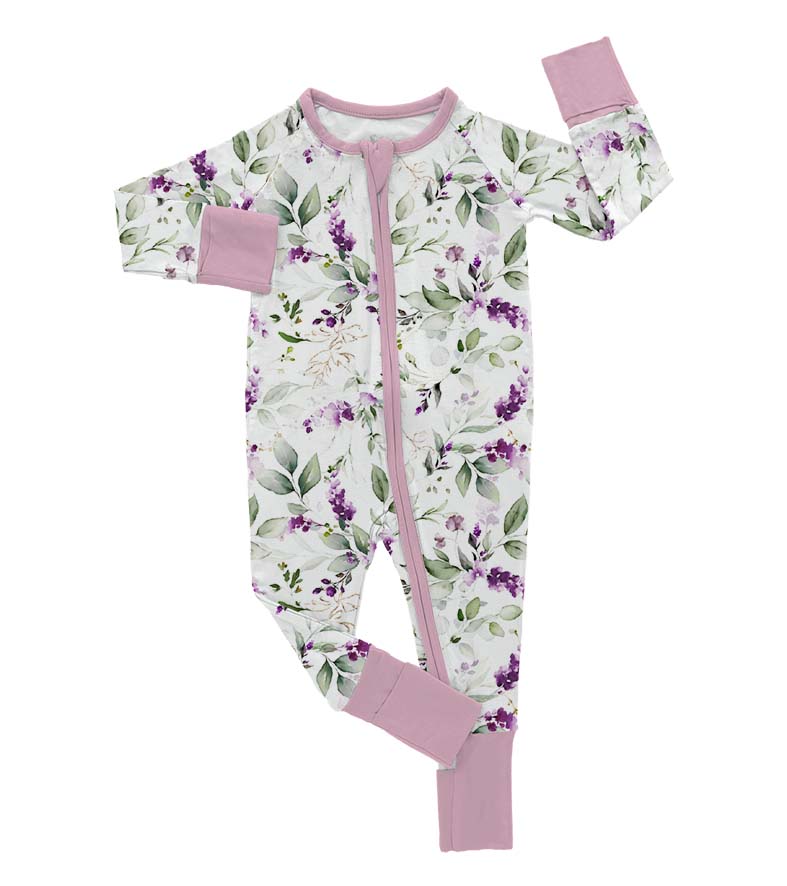
Transitioning from age-based guessing to metric-based verification changes everything. You need to establish a firm baseline for your purchases. Weight and physical length provide this solid foundation. Shifting your mindset toward these two objective metrics eliminates most sizing errors. It allows you to shop confidently across various boutique and mainstream brands.
Weight always acts as your primary anchor metric. It heavily dictates the overall width and torso capacity of the garment. This torso capacity proves crucial for securing snap closures easily. Babies carry their weight differently across their tummies and thighs. If a suit is too tight across the middle, the delicate snaps pop open. Constant stretching also degrades the fabric quickly. Prioritizing weight ensures enough horizontal room for comfortable breathing and digestion.
Next, consider body length for enclosed apparel styles. Crown-to-heel length serves as the non-negotiable metric for footed rompers. You simply cannot squeeze a tall baby into a short footed suit. Their toes will cramp painfully. Their legs cannot fully extend during important developmental milestones like crawling. Incorrect length severely restricts healthy movement and causes immense physical discomfort.
To navigate confusing sizing brackets, adopt the "Size Up" rule of thumb. This provides objective criteria for making rapid purchasing decisions. Do you see the baby sitting within 1 pound of a bracket's maximum threshold? Are they within 1 inch of the maximum height limit? If so, always buy the next size up. This objective rule prevents immediate outgrowing. It maximizes the functional lifespan of your clothing purchase.
Getting precise measurements from a wiggly infant requires immense patience. Proper preparation makes the entire process much smoother. Always measure an active or fussy infant while they lie flat. Use a stable changing table to prevent rolling. Use a flexible soft measuring tape for maximum safety and accuracy. Hard rulers or metal tapes simply do not work on curved baby bodies. They often yield incorrect numbers.
Follow these key measurement points to capture the correct dimensions:
Total Length: Measure carefully from the crown of the head down to the heel. Keep the baby's legs gently extended flat against the table.
Chest and Girth: Wrap the tape around the widest part of their chest. Position the soft tape just under the armpits for the truest reading.
Torso Length: Measure from the base of the front neck down to the diaper line. This specific metric remains absolutely critical. It helps you avoid painfully tight crotch snaps.
Finally, remember the vital diaper variable during your measuring session. You must measure the baby while they wear their typical daily diaper. Diapers add significant bulk to the lower half. A thick overnight diaper completely changes the required torso capacity. Factoring this extra volume in ensures you select the correct baby romper size every single time. Skipping this step often results in garments riding up uncomfortable.
Raw numbers alone do not tell the complete story. Fabric composition heavily dictates how a garment fits over time. Evaluating organic cotton requires careful planning for inevitable shrinkage. You should assume up to 5-10% shrinkage post-wash for pure cotton items. If a cotton suit fits perfectly in the retail store, it will likely be too small later. One normal cycle in the warm dryer changes the dimensions drastically. Always size up for pure cotton fabrics.
Conversely, evaluating bamboo, modal, or elastane blends reveals very different results. These synthetic or processed materials offer incredibly high stretch. They also experience minimal shrinkage after routine washing. Bamboo fabrics regulate temperature beautifully while providing a significantly longer lifecycle. A bamboo garment often stretches to accommodate a baby through multiple growth phases. This flexibility offers excellent value for growing families.
Style choices also deeply impact the functional longevity of the clothing. Footed designs leave absolutely zero margin for error on length. They restrict leg growth entirely. Once the baby's legs grow too long, the enclosed garment becomes entirely obsolete. Footless styles offer high scalability. You can roll the long cuffs up initially. Later, they easily function as ankle-length pants. This adaptability doubles the usable life of the item.
Finally, consider your preferred diaper types. Reusable cloth diapers add considerable extra bulk compared to modern disposables. Standard guidelines suggest accommodating this by automatically sizing up. Alternatively, look specifically for designs featuring loose "harem" style gussets. These drop-crotch styles easily encompass bulky cloth layers without causing any fabric tension.
Table: Fabric and Style Sizing Variables
Fabric / Style Type | Expected Shrinkage | Stretch Factor | Sizing Recommendation |
|---|---|---|---|
100% Organic Cotton | High (5-10%) | Low to Medium | Always size up. |
Bamboo / Spandex Blend | Very Low (<2%) | Extremely High | Buy true to metric measurements. |
Footed Designs | Depends on fabric | Restricted at toes | Monitor length strictly; no buffer room. |
Footless / Cuffed Designs | Depends on fabric | High versatility | Highly scalable; excellent for fast growers. |
Parents love to buy baby clothes during massive clearance sales. However, predicting seasonal needs correctly requires highly strategic thinking. You must carefully align expected weight and length trajectories with upcoming seasonal weather. A very common trap involves buying a heavy fleece winter suit on sale. Six months later, it finally fits the growing baby perfectly. But unfortunately, it is now the middle of a hot July. You waste precious money when sizing and seasons misalign.
This stockpiling strategy also applies heavily to general gifting logic. Gift-givers desperately need a standardized framework to follow. We strongly recommend defaulting to 6-9M or 9-12M sizes for baby showers. New parents almost always receive an immense overabundance of Newborn sizes. Infants outgrow these tiny sizes in mere weeks. Providing larger sizes ensures your thoughtful gift actually gets worn later. It fills critical gaps in the child's future wardrobe.
Before you complete any online or in-store purchase, create a quick shortlist. First, verify the specific brand size chart against your recent measurements. Second, check the fabric composition for potential stretch or shrinkage. Third, factor in the specific type of diaper the infant wears daily. Finally, confirm the retailer's official return policy. This simple checklist thoroughly protects your financial investment. You can easily learn more about sizing standards on our about us page.
Finding the ideal fit demands a complete shift in your shopping perspective. You must treat the printed age label merely as a loose suggestion. Treat the actual weight and length matrix as the unbreakable rule. Clothing brands will always vary, but your soft measuring tape never lies. Understanding specific fabric shrinkage and diaper bulk further refines your clothing choices. We strongly encourage you to take current measurements of your child today. Write down their total length, chest girth, and torso dimensions right now. Keep these exact numbers handy on your smartphone. Cross-reference them with the specific retailer’s sizing chart before completing your next purchase. Taking just five minutes to measure now saves endless frustration later.
A: Base this decision on late-term birth weight projections from your doctor. We generally recommend making minimal Newborn purchases. Unless the infant is expected to weigh under 8 lbs, they will outgrow Newborn clothes in just weeks. Going straight to 0-3 Months offers better overall value and a much longer wear window.
A: You should always allow a buffer of 1 to 1.5 inches in total length when buying non-stretch fabrics like pure cotton. This extra room ensures ultimate comfort and unrestricted mobility. It also easily accommodates daily diaper bulk and completely prevents tight snap closures around the sensitive crotch area.
A: Yes, shrinkage depends entirely on the fabric and your laundry routine. Rompers made of 100% cotton can shrink by 5-10% after their first warm wash and dry cycle. Conversely, synthetic blends, bamboo, or spandex materials experience very minimal shrinkage. Always read the internal care label carefully before washing.
A: Sleepsuits are specifically engineered to fit snugly against the body to meet strict infant sleep safety regulations. This prevents dangerous loose fabric hazards in the crib. In contrast, daytime rompers feature a looser, more relaxed fit. This relaxed sizing allows for active crawling, playing, and much easier diaper changes.


