
close
Choose Your Site
Global
Social Media
Views: 0 Author: Site Editor Publish Time: 2026-06-22 Origin: Site


It happens every single summer. You watch your teenager casually walk out the front door wearing a heavy fleece sweatshirt on a sweltering 90-degree day. You naturally wonder how they survive the heat. This universal parent dilemma causes countless morning arguments.
Adults view clothing purely through a practical lens of weather and appropriate dress. Teenagers approach their wardrobe entirely differently. They use garments for deep sensory regulation, emotional security, and vital identity signaling. A thick sweatshirt offers a psychological barrier against a chaotic world.
For parents, simply banning these garments often backfires and creates unnecessary friction. A much more effective approach involves understanding the root causes driving this behavior. We will explore how to use these psychological insights to evaluate and select the right kids Hoodie. You will learn to find one satisfying your child’s emotional needs while meeting your strict standards for safety, hygiene, and durability.
Psychological utility over thermal logic: Hoodies act as a "portable cave," offering sensory buffering and physical privacy during a vulnerable developmental stage.
Environmental realities: Extreme indoor-outdoor temperature shifts (like over-air-conditioned schools) make constant layering a practical necessity.
Strategic purchasing solves friction: Shifting from heavy, cheap synthetics to lightweight, moisture-wicking, or sensory-friendly fabrics eliminates parent concerns regarding odor and heat exhaustion.
Evaluation criteria matter: The best purchasing decisions balance the child's demand for an oversized, unstructured fit with the parent's need for machine washability and long-term durability.
You cannot solve the wardrobe battle without empathy. We must first understand why teenagers cling to their heaviest clothes. For many youths, this garment serves hidden psychological requirements. It acts as a safe harbor during a turbulent developmental stage.
Do not view the heavy fabric simply as winter gear. View it as a powerful sensory regulation tool. Heavy cotton and dense fleece ground highly sensitive teenagers. They provide deep-pressure stimulation. This pressure mimics the soothing effect of a weighted blanket. Socially anxious teenagers often feel overwhelmed by bright lights and loud noises. A heavy top layer muffles this chaotic sensory input. It helps them navigate stressful environments calmly.
You might observe specific sensory-seeking behaviors in your child. Consider these common indicators:
They pull the drawstrings tight during stressful conversations.
They bury their hands deep into the front kangaroo pocket.
They wear the hood up in familiar, safe environments.
They refuse to switch to lighter fabrics even when sweating.
Adolescence triggers rapid physical changes. These changes often spark severe body insecurity. An oversized silhouette effectively obscures changing body shapes. It acts as a reliable physical shield. This shield protects them against unwanted scrutiny or peer judgment. Many adolescents experience mild to severe body dysmorphia. A structured, large garment gives them control over who sees their body. It helps them reclaim personal body autonomy in highly judgmental environments like middle school.
We cannot ignore the power of peer acceptance. The garment serves as a low-risk mechanism for self-expression. Teenagers use specific brands or styles to signal subculture belonging. This social currency often overrides physical discomfort. They will gladly endure a sweaty afternoon if it means fitting in with their friends. Banning their preferred style strips them of this vital social passport.
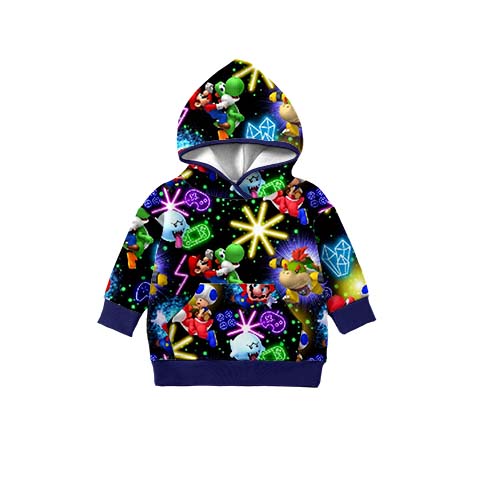
Parents often focus solely on the outdoor temperature. However, a child’s actual environment looks very different. We must bridge the gap between their daily reality and your valid concerns.
Think about where teenagers spend most of their time. They sit in school classrooms. They visit movie theaters. They work part-time jobs in grocery stores. These core youth environments are frequently kept at uncomfortably low temperatures. School districts often blast air conditioning to combat stale air. A reliable top layer becomes a practical necessity. Without it, your child might shiver through their entire math class. The extreme shift from a 90-degree parking lot to a 65-degree classroom demands versatile clothing.
Your parental concerns remain completely valid. Heavy unwashed fleece poses real problems. The risk of heat exhaustion in summer is a genuine medical concern. Furthermore, synthetic fabrics trap sweat easily. This creates a breeding ground for bacteria and trapped body odor. Teachers often complain about musty classrooms during warmer months. You have every right to want hygienic, safe clothing for your teenager.
You do not need to banish their favorite style. Instead, frame fabric selection as the primary solution. You can mitigate heat and odor risks by changing the weight class. A smart fabric swap keeps your child comfortable. It also preserves their preferred "armor." You win on hygiene, and they win on emotional security.
Follow these steps to reach a fair compromise:
Acknowledge their need for a protective layer openly.
Explain your specific concerns regarding heat and hygiene.
Offer to purchase a visually identical item in a lighter fabric.
Establish a clear washing schedule they agree to follow.
Purchasing the right garment requires specific knowledge. You need to map specific features to desired outcomes. Use these evaluation criteria to guide your next shopping trip.
Industry professionals measure fabric weight using grams per square meter (GSM). You must understand this metric to prevent overheating. Guide your choices based on the season. Look for lower-GSM French terry for summer use. Lightweight cotton also breathes exceptionally well. Save the 300+ GSM fleece for freezing winter months.
GSM Range | Fabric Type | Best Season/Use Case | Breathability Level |
|---|---|---|---|
150 - 200 GSM | Lightweight Jersey / Thin Cotton | Summer / Warm climates | Very High |
200 - 280 GSM | French Terry | Spring / Fall / Indoor AC | High |
280 - 350 GSM | Standard Fleece | Winter / Cold outdoor temps | Low |
350+ GSM | Heavyweight Brushed Fleece | Extreme Cold / Sensory regulation | Very Low |
Always assess the ratio of cotton to polyester. High-percentage cotton breathes much better than cheap synthetics. It allows body heat to escape efficiently. However, specific synthetic blends offer distinct advantages. Look for performance blends featuring moisture-wicking technology. Some even include antimicrobial treatments. These properties prove essential for active wearers who sweat heavily.
A scratchy seam ruins a perfectly good garment. Pay close attention to interior construction. Check the neckline for tagless designs. Inspect the interior stitching for flattened seams. These details matter immensely to highly sensitive children. Seek out non-irritating brushed interiors. A soft, tactile experience caters directly to their need for deep comfort.
Teenagers subject their clothes to heavy abuse. You need fabrics that withstand frequent washing. Evaluate the material for resistance to pilling. Ask about colorfastness after heavy machine washing. Check the high-stress points carefully. Look for reinforced stitching around the cuffs and kangaroo pockets. Cheap construction unravels quickly under a teenager's constant fidgeting.
You can streamline your purchasing process by categorizing products. Different scenarios demand different solutions. Match the item to your child's specific daily routine.
This category bridges the gap between hot commutes and freezing classrooms. French terry loops yarn on the inside but remains flat outside. It offers high breathability and low thermal retention. It provides the physical weight they crave without trapping excessive heat. This makes it the ultimate summer compromise.
Save this category for harsh winter months. It also serves neurodivergent children requiring deep-pressure comfort indoors. Prioritize extreme softness and oversized draping. The thick brushed fleece traps warmth efficiently. It creates a definitive physical boundary between the child and their environment.
Athletes and heavy sweaters need technical fabrics. Focus heavily on moisture-wicking capabilities. Many active brands incorporate UV-protection features for outdoor sports. The fabric pulls sweat away from the skin rapidly. This prevents the garment from becoming a damp, heavy burden during physical exertion.
Quick Solution Chart | |||
Scenario | Material Recommendation | Key Parent Benefit | Key Child Benefit |
|---|---|---|---|
Freezing Classrooms | Lightweight French Terry | Prevents heatstroke outside | Provides physical coverage |
Sensory Overload | Heavyweight Brushed Fleece | Durable against fidgeting | Mimics weighted blanket |
Outdoor Sports | Performance Synthetic Blend | Reduces body odor significantly | Keeps skin dry and cool |
Buying the right fabric solves only half the problem. You must also navigate fit, school rules, and laundry realities. Proper implementation prevents future headaches.
Current fashion dictates a massive, unstructured fit. Kids love swimming in their clothes. You must figure out how to size up safely. You want to avoid the garment looking sloppy. You also must prevent physical tripping hazards. Size up one or two sizes, not four. Check the sleeve length carefully. If the cuff completely swallows their hand, it becomes a safety risk during active play. Look for ribbed cuffs that grip the wrist tightly despite a loose sleeve.
Schools increasingly enforce strict dress codes. Some classrooms maintain strict "no-hood" policies. You need to navigate these rules strategically. Consider purchasing uniform-compliant zip-ups instead of pullovers. A zip-up allows for rapid temperature regulation. It is also an easily removable layer if a teacher objects. Discuss these school policies with your child before purchasing. Ensure the selected item aligns with administrative expectations.
You must establish clear expectations for washing frequency. Teenagers notoriously wear the same top layer for weeks. Heavy fleece requires regular laundering to prevent bacteria buildup. We strongly recommend buying multiples of their preferred "safe" lightweight item. Owning two identical tops ensures a hygienic rotation. One goes in the wash while they wear the other. This simple strategy eliminates the panic of a missing comfort item.
A teenager's favorite top layer is rarely just a piece of clothing. It functions as a vital tool for emotional regulation and environmental adaptation. By recognizing this, you eliminate a major source of family friction. You move from battling over weather logic to supporting their developmental needs.
Take actionable steps today to improve the situation. First, audit your child's current favorite top for material composition and weight. Check the tag for its cotton-to-polyester ratio. Next, use the outlined GSM criteria to purchase a seasonal-appropriate replacement. Finally, negotiate a clear laundry rotation schedule. This balanced approach satisfies their deep psychological requirements while completely honoring your hygiene standards.
A: Teenagers use heavy garments for psychological comfort and sensory buffering. Emotional security often overrides thermal comfort. Additionally, indoor environments like classrooms feature freezing air conditioning, making a warm layer a practical necessity for their daily routine.
A: We recommend 100% lightweight cotton or lower-GSM French terry. Performance moisture-wicking synthetic blends also work exceptionally well. Always avoid heavy polyester brushed fleece during the summer to prevent accidental overheating.
A: It depends entirely on their specific needs. Zip-ups offer easy temperature regulation and simple removal. Pullovers provide an enclosed, "safe" feeling that mimics a weighted blanket. Always follow your child's specific preference for the best result.
A: You can preserve the fabric by washing it inside out. Always use cold water on a gentle machine cycle. For the best results, air dry the garment flat or tumble dry it on the lowest heat setting available.


