
close
Choose Your Site
Global
Social Media
Views: 0 Author: Site Editor Publish Time: 2026-06-07 Origin: Site


A high-quality kids Hoodie acts as essential daily gear. It goes far beyond a simple piece of clothing. Children subject their apparel to rigorous daily stress tests. They scrape sleeves on playground equipment. They spill juice during lunch. Parents wash these garments constantly throughout the week. You often face a frustrating "throwaway versus heirloom" dilemma when shopping. Cheap fabrics feel scratchy against sensitive skin. Poorly chosen materials pill immediately. They develop misshapen necklines after just two cycles in the laundry. This results in unworn clothes cluttering the closet. You waste money on items your child refuses to wear. This guide provides an evidence-based breakdown of fabric options. We explore ideal fabric weights, blend ratios, and crucial safety certifications. We help you make a long-lasting, cost-effective choice. Whether you are a parent, a custom merchandise brand, or a uniform buyer, you will learn how to select the perfect garment.
The "Golden Ratio" for Durability: Cotton-poly blends (like 60/40 or 80/20) offer the best balance of softness, shrink resistance, and longevity.
Weight Matters (GSM): Fabric thickness should dictate the purchase—250-300 GSM for year-round wear, 300+ GSM for winter insulation.
Safety is Non-Negotiable: For children, especially toddlers, fabrics must lack harsh chemical treatments, ideally meeting OEKO-TEX Standard 100 Class 1 certifications.
Construction Equals Comfort: Even premium fabrics fail if paired with stiff seams or loose elastic cuffs instead of durable ribbed trims.
Evaluating a garment requires looking far past its color and printed graphics. You must understand the "invisible workload" placed on children's apparel. Kids wear these layers over stiff school uniforms. They fall asleep on the couch wearing them. They stuff them tightly into overflowing backpacks. A poor fabric choice guarantees a short lifespan.
We map specific fabric features directly to real-world outcomes. This framework helps buyers understand value over initial price. Consider these crucial feature-to-outcome relationships:
Softness and Sensory Profile: This determines if the child will actually wear the item. Scratchy interiors lead to instant rejection.
Durability and Washability: This determines the overall value. High-quality fibers resist shrinking, fading, and stubborn stain-setting.
Breathability: Proper airflow prevents overheating. Active play generates immense body heat quickly.
Safety certifications build baseline trust for any apparel brand. You must view materials through a strict compliance lens. Hypoallergenic properties prevent nasty skin rashes. You should actively look for the OEKO-TEX Standard 100 Class 1 certification. This global standard guarantees the fabric contains no harmful chemicals. It ensures the material remains perfectly safe for babies and toddlers. Leading manufacturers never compromise on these safety benchmarks.
The apparel industry relies on a few standard fabrics. You need a transparent, skeptical-friendly comparison to make smart choices. We break down realistic drawbacks and clear use cases for each popular material below.
Material Type | Best Use Case | Major Advantage | Primary Risk |
|---|---|---|---|
100% Cotton | Spring layering, sensitive skin | Maximum breathability | High shrinkage risk |
French Terry | Stylish daily wear, mild weather | Lightweight warmth | Slower drying time |
Cotton-Poly Blends | School uniforms, active play | Extreme durability | Slightly less breathable |
Synthetic Fleece | Strict winter use, snow days | Unmatched insulation | Prone to heavy pilling |
Natural fibers allow maximum air circulation around the body. Cotton absorbs moisture effectively. French Terry utilizes a specific knitting technique. It features soft loops on the interior and a smooth surface outside. This construction provides lightweight warmth without trapping stale air.
These materials offer excellent hypoallergenic properties. They remain highly breathable during physical exertion. You will find them ideal for children battling eczema or sensitive skin. They serve perfectly as versatile spring and fall layering pieces. A natural kids Hoodie feels luxurious and soft.
However, pure natural fibers carry inherent risks. They are highly prone to shrinkage if improperly washed. Hot water and high-heat drying cycles will ruin the fit. These garments also require significantly slower drying times. You must plan laundry days accordingly.
Blends combine natural breathability with sheer synthetic strength. Manufacturers mix cotton and polyester to engineer the perfect fabric. Common ratios dictate the garment's ultimate performance. A 50/50 blend provides ultimate wrinkle resistance. A 65/35 ratio delivers excellent anti-pilling properties. An 80/20 mix offers premium thickness and luxurious hand-feel.
Blends represent the optimal choice for daily wear. They dominate the school uniform market for good reason. They offer incredibly high durability against playground friction. They hold their shape perfectly over time. They withstand aggressive commercial washing cycles without fading.
You must watch the exact polyester percentage. Higher synthetic counts can notably reduce breathability. Too much polyester feels plasticky and traps sweat. We strongly recommend staying at or above 50% cotton for children.
Winter garments rely on brushed interiors to create warmth. The brushing process creates tiny air pockets within the synthetic fibers. These pockets effectively trap natural body heat. They create a cozy microclimate against the skin.
Synthetic fleece delivers an unmatched warmth-to-weight ratio. A thick fleece jacket feels incredibly light on small shoulders. These materials also boast rapid drying capabilities. You can wash them at night and use them the next morning.
These fabrics face a high likelihood of pilling over time. Tiny fuzz balls develop under the arms and along the sides. Synthetic fleece can also trap sweat during high exertion. This leads to a damp, uncomfortable chill afterward. Always advise buyers to look for specific "anti-pill" chemical finishes.
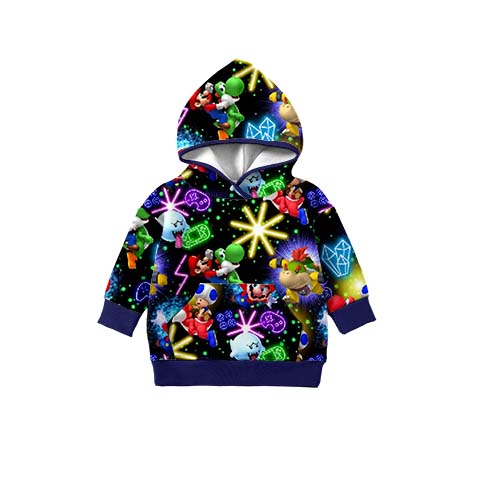
Fabric type only tells half the story. You must shift the conversation toward fabric weight to show true expertise. Industry professionals measure fabric thickness using GSM. This stands for Grams per Square Meter. A higher GSM number indicates a thicker, heavier garment. Understanding GSM helps you match the clothing to the exact season.
We can break down fabric weights into a simple categorization matrix:
Lightweight (200–250 GSM): This weight feels akin to a thick t-shirt. It works best for breezy summer evenings. It suits highly active sports perfectly. Children love this weight for indoor lounging.
Midweight/All-Season (250–300 GSM): This represents the most versatile choice available. It serves as the standard for everyday kids apparel. It functions perfectly in temperature-controlled classroom environments. It allows for comfortable layering under heavier winter coats.
Heavyweight (300–400+ GSM): Manufacturers engineer these fabrics for strict winter use. They provide maximum insulation against freezing winds. They suit extended outdoor activities like sledding or winter hiking.
You must consider a critical implementation warning. Heavy GSM without adequate breathability creates a miserable experience. Cheap, high-weight polyester creates a terrible "sweat lodge" effect. Active children overheat rapidly inside these heavy synthetic shells. They sweat profusely, then freeze when the sweat cools. Always pair high GSM garments with high cotton percentages.
Trustworthy guides tell you exactly what not to buy. Many attractive garments hide hazardous or impractical materials. You must learn to spot these glaring red flags immediately.
Avoid hazardous or highly impractical fabrics at all costs. Cheap PVC or vinyl prints pose serious risks. They often contain harmful chemicals like phthalates. Large plastic graphics block airflow entirely. They cause localized skin irritation and excessive overheating on the chest. Low-grade faux fur and chenille present hidden dangers. These materials carry severe shedding risks. Loose fibers prove especially dangerous for younger toddlers. Toddlers frequently put fuzzy items directly into their mouths. Furthermore, avoid delicate fabrics entirely. Silk or rayon-heavy blends cannot survive basic playground friction. They tear and snag almost instantly.
Bad craftsmanship ruins perfectly good fabric. You must inspect the construction details closely. Pay special attention to the cuffs and the hem. Cheap elastic cuffs stretch out permanently within weeks. They fail to keep sleeves pushed up during messy art projects. Durable ribbed cuffs maintain their structural integrity. Ribbed cotton springs back into shape after heavy stretching. Solid stitching prevents seams from unraveling in the washing machine.
You need a clear decision framework to finalize your purchase. Different situations demand completely different material choices. Use this practical logic to select the ideal option.
Prioritize specific blends for everyday school and rough play. Choose a 60/40 or 80/20 cotton-poly blend. Aim for a midweight thickness around 280 GSM. This specific combination survives endless washer and dryer cycles. It resists harsh playground stains while refusing to lose its shape.
Demand higher standards for sensitive skin or eco-conscious buyers. Look strictly for 100% organic cotton. Seek out OEKO-TEX certified French Terry. You must accept a specific trade-off here. These premium natural garments require stricter washing routines. You will need to use cold water and air dry them flat.
Follow strict guidelines for B2B customization projects. You might buy in bulk for sports teams or brand merchandise. We highly recommend high-cotton faces, such as an 80/20 blend. Direct-to-garment (DTG) ink binds best to natural cotton fibers. The print will look vibrant and crisp. Meanwhile, the 20% poly interior provides necessary structural stability. This hidden synthetic strength prevents the fabric from puckering under tight embroidery threads.
The "best" material remains highly contextual to your specific needs. However, a mid-weight cotton-poly blend stands as the statistical winner. It perfectly balances daily comfort with extreme durability. It survives the playground and the laundry room equally well.
You must take an active role before purchasing. Always check the inner garment tags carefully. Look for the specific GSM weight. Verify the exact blend percentages. Ensure the brand carries recognized safety certifications like OEKO-TEX. These small checks prevent large buyer regrets later.
Take action today to upgrade your child's wardrobe. Browse our curated collection of high-quality, sustainably tested apparel. If you represent a school or brand, request a physical fabric sample. Feel the difference a premium blend makes for bulk custom orders.
A: Yes, pure cotton garments can shrink significantly. You might see up to 5-10% shrinkage if washed in hot water and machine-dried. We recommend sizing up if you prefer pure natural fibers. Alternatively, choose a pre-shrunk cotton-poly blend to mitigate this exact issue entirely.
A: Blends featuring a higher polyester count provide the best stain resistance. A 50/50 mix resists water-based stains much better than pure cotton. Synthetic fibers do not absorb liquids as quickly. They also release trapped dirt much more easily during aggressive washing cycles.
A: Yes, fleece remains perfectly safe provided it is high-quality and shed-resistant. However, parents must exercise caution regarding temperature regulation. Avoid excessively thick synthetic fleece for indoor playtime or inside cramped car seats. Toddlers cannot regulate their body temperature well and may overheat quickly.
A: An 80/20 cotton-polyester blend serves as the ultimate customization canvas. The 80% cotton exterior provides a remarkably smooth surface. This allows optimal ink absorption for DTG printing. The 20% polyester base adds internal strength. It completely prevents the fabric from puckering under tight embroidery threads.


