
close
Choose Your Site
Global
Social Media
Views: 0 Author: Site Editor Publish Time: 2026-06-22 Origin: Site


Sizing inconsistencies plague almost every apparel purchase you make today. You buy a size eight from one brand. You quickly find it fits entirely differently elsewhere. This dilemma becomes incredibly frustrating over time. It peaks when buying for rapidly growing children. You need a reliable evaluation method. You must determine if pants actually fit before removing the tags. Enter the traditional two-finger rule.
This tailoring baseline offers an instant evaluation method. It lets you assess waistband fit before you commit. You slip two fingers into the waistband. You quickly measure essential breathing room. You instantly gauge overall garment comfort. In this guide, you will learn practical application strategies. We will show you exactly how to apply this rule effectively. We will help you identify when traditional sizing metrics fail completely. Finally, we will explore modern garment alternatives. You will see how evaluating apparel designed for dynamic movement transforms your entire approach to sizing.
The 2 finger rule ensures a waistband has enough room for breathing and digestion without requiring a belt to stay up.
Traditional rigid fabrics require strict adherence to this rule, while flexible fabrics offer a wider margin of error.
Passing the 2 finger test while standing does not guarantee comfort; dynamic testing (sitting, squatting) is required.
Upgrading to kids stretch pants often resolves the tension between a secure fit and necessary physical mobility.
We need to define the baseline metric first. You execute this rule physically. You insert your index and middle fingers side-by-side. You place them directly between the waistband and your body. The fingers should rest flat against your skin. You must perform this test while standing up straight. Standing posture provides the most accurate baseline measurement.
We must establish clear success criteria for this test. Sizing requires objective physical standards. You cannot rely on guesswork.
Fit Status | Physical Sensation | Visual Indicator | Post-Meal Impact |
|---|---|---|---|
Too Tight | Fingers require forceful pressure to slide inside. | Fabric pinches the skin tightly. | Restricts circulation and causes severe bloating pain. |
Too Loose | Fingers swim in significant excess gaps. | You can fit a whole hand inside easily. | Requires tightly cinched belts causing fabric bunching. |
Perfect Fit | Fingers slide in snugly but comfortably. | Smooth, flat fabric profile against the body. | Provides exact anatomical breathing room. |
Implementation reality dictates specific testing zones. You must test the rule at the natural waistline. Alternatively, test wherever the specific garment naturally rests. High-rise trousers sit significantly above the navel. Low-rise jeans anchor themselves closer to the hips. You must evaluate the fit exactly where the fabric anchors itself. Evaluating the wrong anatomical zone yields useless data.
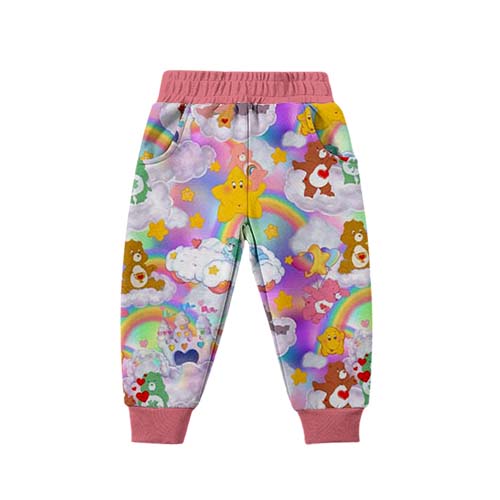
We must highlight the physical evidence of poor fit. Sizing tags often mislead buyers. Physical evidence always tells the truth. You usually discover poor fit far too late. It prompts an urgent need for a new purchase evaluation. You must recognize these diagnostic signs early.
Visual and physical indicators appear almost immediately. Look closely at the skin after garment removal. These clues reveal hidden sizing failures:
Deep red marks indicate severe structural pressure.
Skin indentations reveal dangerously poor circulation.
Constant adjusting signals a slipping waistband.
Unbuttoning after meals proves the garment lacks dynamic give.
Restricted mobility prevents lifting knees to the chest.
Sensory considerations require your careful attention. Rigid waistbands trigger intense sensory discomfort. Children often refuse to wear specific items. They cannot always articulate why it hurts. They just know it feels highly restrictive. A waistband failing the test creates localized tension. This tension causes constant physical distraction. Refusal to wear is rarely about style preferences. It relates directly to sensory pain. We must listen to these physical cues closely.
We need to compare traditional static materials against modern alternatives. Older wardrobes rely heavily on static materials. Think of heavy denim. Consider rigid canvas khakis. These fabrics lack inherent flexibility. They demand strict adherence to our fit rule. You have zero margin for error here. If you miscalculate, the garment becomes unwearable.
Modern flexible alternatives change the entire sizing landscape. Incorporating elastane changes how clothes behave. Blending spandex into cotton creates dynamic garments. Upgrading to kids stretch pants resolves many common sizing issues. This upgrade eliminates the tension between a secure fit and necessary physical mobility. The basic rule still applies here. However, the application becomes much more forgiving.
Scalability and growth matter immensely for extending garment life. Rigid pants have a zero-tolerance growth window. If waistlines expand slightly, rigid pants fail immediately. Stretch materials expand dynamically. They easily accommodate unpredictable micro-growth spurts. This dynamic expansion extends the lifecycle of the garment. You get significantly more wear out of every pair.
Material Category | Growth Tolerance | Mobility Score | Rule Application |
|---|---|---|---|
100% Rigid Cotton | Zero-tolerance. Fails upon micro-growth. | Low. Restricts deep bending. | Requires strict, exact two-finger measurement. |
Flexible Blends | High. Adapts to subtle waistline changes. | Excellent. Supports full movement range. | Forgiving. Allows slight measurement variations. |
You must assess the evaluation criteria carefully. Stretch represents only half the equation. The fabric must retain its original shape. Tailors call this structural recovery. Poor recovery means the fabric stretches out quickly. By the end of the day, they look terribly baggy. Good recovery means they snap back instantly. Always evaluate both stretch capability and shape retention simultaneously.
The initial rule is inherently static. It measures you while standing completely still. Humans are never static creatures. We move constantly throughout the day. We sit, bend, run, and jump. A static measurement offers incomplete functional data. We must guide you through a dynamic evaluation framework.
Step-by-step validation is absolutely necessary to ensure long-term comfort. Follow these specific movements:
The Sit Test: Sit down in a hard chair. Does the waistband dig into your stomach? Seated postures push the stomach outward. A static gap must accommodate this physical shift. If it digs painfully, the garment fails.
The Squat Test: Drop down into a deep squat. Check the back of the waistband. Does it pull down uncomfortably far? Plumbers crack indicates a low-rise failure. It reveals insufficient fabric give. The rear rise must stretch to cover you securely.
The Thigh Check: Move your attention past the waist. Ensure the rule loosely applies to the thighs. You should easily pinch a small amount of fabric. Tight thighs cause painful chafing. They also restrict your natural stride length.
Risk mitigation matters deeply here. You must test these movements immediately upon purchase. Do this before removing any tags. It prevents ending up with unreturnable garments. Worn-once mistakes drain your budget quickly. Dynamic testing completely secures your investment.
How do you finalize your buying decision? Focus entirely on structural features over brand labels. Never rely purely on a printed size tag. Size tags vary wildly between different brands. Look for features prioritizing physical adaptability. This shortlisting logic saves you immense frustration.
Internal adjustable waistbands represent exceptional structural value. You will find them inside many modern garments. They feature hidden elastic bands fitted with buttonholes. You simply pull the elastic and button it securely. This lets you fine-tune the fit over time. You can adjust it weekly if necessary. It ensures the garment actively grows alongside the wearer.
Drawstrings versus belts require careful functionality evaluation. Belts create unnecessary physical bulk around the waist. They slow down urgent bathroom trips. Drawstrings offer superior safety and daily convenience. Built-in drawstrings stay incredibly secure. They provide infinite micro-adjustments. For younger wearers, drawstrings eliminate the frustration of rigid metal buckles.
Fabric composition requires your close analytical attention. Read the interior care tags carefully. Look for clear labeling of stretch percentages. A typical sweet spot is two to five percent spandex. This confirms the garment's mobility claims. Do this verification before reaching the checkout counter. Do not guess based on tactile feel alone. Structural features ensure long-term wearability. They protect your purchase against rapid physical changes.
The two-finger rule remains an excellent diagnostic tool. It offers immediate, tactile feedback regarding baseline sizing. You must pair it with dynamic movement testing. Static measurements alone cannot guarantee all-day comfort. You must strictly evaluate how the fabric reacts to movement. Sitting and squatting reveal the absolute truth about garment structure.
We highly recommend prioritizing highly flexible options. Look for garments featuring built-in adjustable elements. These structural details maximize daily physical comfort. They significantly extend overall garment longevity. They ensure a substantially higher return on your investment. Take time to evaluate your current wardrobes using these criteria. Discard restrictive items causing unnecessary sensory discomfort. Explore updated apparel options specifically designed for active lifestyles.
A: Yes, but with a specific caveat. You should still be able to fit two fingers comfortably. However, the elastic should snap back securely against the fingers. This tension ensures the pants will not fall down during high activity. Loose elastic fails to provide necessary security.
A: No. Buying excessively large pants forces reliance on tight belts. This practice causes uncomfortable fabric bunching around the waist. It triggers sensory distress. It is far more cost-effective to buy the correct size. Choose a stretch fabric instead. Alternatively, select styles featuring an adjustable inner waistband.
A: Always prioritize the waistband fit first. Passing the two-finger rule is strictly non-negotiable. Length issues are easily solved. You can easily hem the bottoms. You can simply roll the cuffs. Conversely, a poorly fitting waist cannot be safely altered. An uncomfortable waist ruins the entire garment.


