
close
Choose Your Site
Global
Social Media
Views: 0 Author: Site Editor Publish Time: 2026-08-23 Origin: Site


You finally found the perfect space-saving mini crib. It fits beautifully into your smaller nursery layout. Parents love these compact designs for urban apartments. However, a harsh reality soon sets in. Standard bedding simply does not fit. This poses a severe safety hazard for your newborn. A mini crib sheet exists strictly for one critical purpose. It is a specifically tailored fitted sheet designed for smaller dimensions. It securely wraps around a 24-inch by 38-inch mattress. It leaves no loose fabric behind. Finding the right fit means navigating tricky measurements. We wrote this decision-stage evaluation to guide you. We want to help you match mattress depth and material properties. We also highlight essential safety requirements to check before purchasing. You will learn exactly how to measure your mattress properly. We will help you identify breathable materials for optimal infant sleep. You will discover how to avoid the most common buying mistakes. We guarantee you will feel confident making your final selection.
Standard cribs use large mattresses. They measure 28 by 52 inches. Mini cribs utilize a much smaller footprint. They typically measure 24 by 38 inches. This core distinction creates a dangerous scenario for uninformed parents. You might think folding a standard sheet underneath the smaller mattress works. It absolutely does not.
Pediatricians condemn this dangerous practice. Safe-sleep guidelines strictly forbid loose bedding in a crib. A folded sheet introduces a critical asphyxiation risk. Babies move constantly during their sleep cycles. They can easily kick folded fabric loose. A baby can then pull these loose folds over their face. They lack the motor skills to remove the obstruction. You must eliminate all excess fabric from the sleep environment.
Next, consider the Pack 'n Play dilemma. Consumers frequently confuse these two distinct product categories. Playards often share similar perimeter dimensions. However, their depth profiles differ wildly. Playard pads are typically only one inch thick. Mini crib mattresses routinely reach three to four inches in depth.
Using the wrong product creates immediate hazards. Wrapping a playard sheet on a thicker mattress causes dangerous bowing. The tight tension forces the mattress corners upward. This creates an uneven, unsafe sleep surface. Conversely, wrapping a deep-pocket sheet around a thin playard pad leaves dangerous slack. The fabric bunches up in the middle. They are rarely safely interchangeable. You must buy bedding explicitly labeled for your specific furniture type.
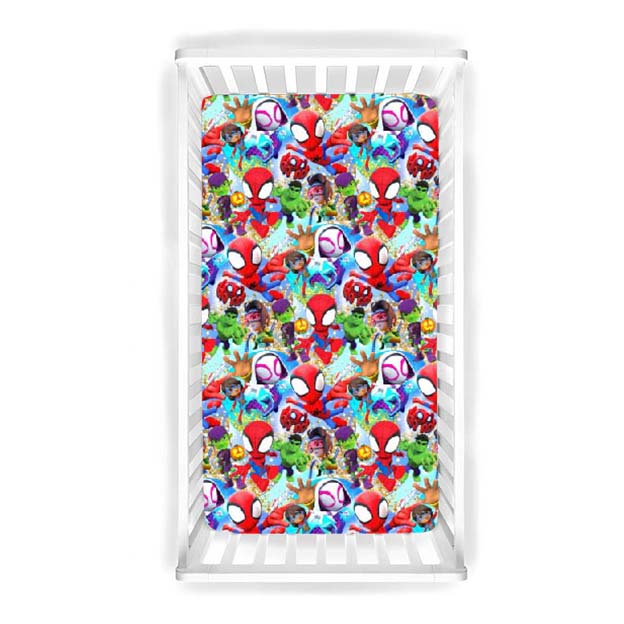
Verify your specific mattress depth before shopping. Pocket depth is a critical evaluation metric. Many mini cribs include a basic one-inch mattress pad. Parents often upgrade to a firmer four-inch inner-spring mattress. You must buy sheets matching your exact depth. A sheet designed for a one-inch pad will quickly pop off a thicker mattress. This exposes the raw mattress below.
Elastic design dictates your overall success. Look closely at the hem construction. We strongly recommend 360-degree fully encased elastic bands. Corner-only elastic is a major red flag in infant bedding. Corner bands lose their grip easily. Fully encased bands guarantee the fabric stays anchored securely. Infants wiggle constantly during active sleep phases. The hem must grip the mattress bottom tightly all the way around.
Fit tolerance also matters immensely. High-quality brands factor post-wash shrinkage into their initial sizing. Natural fibers always shrink slightly after the first wash. A proper product will feel slightly loose straight out of the packaging. It achieves its final, snug safety fit only after a run through your dryer.
You should perform a quick safety test after washing. Place the freshly laundered cover on the mattress. Press down firmly in the center. The fabric should not pool or wrinkle under your hand. Try pulling the edge up. It should resist your pull firmly. If it slips off easily, you need a deeper pocket design.
Cotton remains the traditional standard for infant bedding. It offers excellent durability for daily use. It also provides decent breathability for year-round comfort. We strongly recommend upgrading to an organic crib sheet when possible. Organic cotton serves as the ultimate baseline for safe sleep environments. It provides a hypoallergenic surface for sensitive newborn skin. Look for GOTS-certified options. This certification ensures a completely chemical-free manufacturing process.
Muslin represents another fantastic category. This open-weave fabric provides exceptional airflow. It feels incredibly lightweight. Muslin actually softens further after repeated washing cycles. We highly recommend muslin options for warmer climates. It helps prevent dangerous overheating during summer months. The open weave lets trapped body heat escape quickly.
Bamboo rayon offers premium temperature regulation. This fabric excels at moisture-wicking. Babies prone to eczema often find great relief sleeping on bamboo. It feels incredibly silky against irritated skin patches. Bamboo is the ideal solution for heavy night sweaters. It pulls sweat away from the body efficiently. However, you must handle it carefully. Bamboo requires gentler wash cycles. You must protect its structural integrity over time.
You can review our breakdown in the chart below.
| Material Type | Breathability | Durability | Best Use Case |
|---|---|---|---|
| Standard Cotton | Moderate | High | Everyday use, budget-friendly nurseries |
| Organic Cotton | High | High | Sensitive skin, eco-conscious households |
| Muslin (Open Weave) | Very High | Moderate | Hot climates, preventing overheating |
| Bamboo Rayon | High | Low (requires gentle care) | Eczema relief, heavy sweaters |
Natural fibers experience inevitable shrinkage. You must set accurate expectations regarding cotton and bamboo. Washing these fabrics in hot water destroys their tailored fit. We advise washing all infant bedding in cold water exclusively. You should also strictly use low-heat drying cycles.
High heat shrinks fibers aggressively. This creates an impossibly tight fit. A shrunken cover will violently bend the mattress corners upward. It ruins the flat sleep surface completely. Always read the manufacturer care label before doing laundry. Babies require frequent bedding changes. You might wash these items three times a week. This heavy rotation accelerates fiber degradation. You must inspect the hemline during every single folding session.
Wear and tear eventually compromises safety. The elastic band represents the most common point of failure. Heat and repeated stretching degrade rubber components over time. Once the elastic feels brittle, you face a serious hazard. If the edges feel loose, retire the crib sheet immediately. Never attempt to repair or rig a worn elastic band. Safety standards require structural perfection.
Keep an eye out for these warning signs:
Smart inventory planning saves you late-night headaches. Babies experience frequent diaper leaks. Spit-up incidents happen constantly. We recommend keeping three to four covers in your active rotation. This pragmatic quantity handles consecutive midnight accidents perfectly. It keeps you prepared without over-purchasing unnecessary nursery inventory. You will always have a clean, dry backup ready.
Make your final decision using a clear, logical process. We developed a simple framework for parents. Follow these sequential steps for optimal results.
Buying infant bedding requires a strict safety-first mindset. Aesthetics should always take a back seat to proper fit. Your baby relies on a tightly secured, flat sleep surface. Loose fabric introduces entirely preventable risks into the nursery. You now understand how mattress depth dictates your buying choices. You know how different materials regulate body temperature effectively. You can easily spot dangerous elastic wear and tear.
Take immediate action before making a purchase. Grab a tape measure right now. Physically measure the thickness of your mattress today. Check the exact depth requirement before adding any item to your digital cart. Verify your chosen fabric matches your local climate. Ensure you look for certified organic options for sensitive skin. A few seconds of measuring guarantees your baby sleeps safely and soundly tonight. You will sleep better knowing you made an informed, safe decision.
A: No. Standard sheets measure 28 by 52 inches. Mini crib mattresses measure 24 by 38 inches. Folding or tucking excess fabric underneath the mattress violates strict safe-sleep guidelines. The loose fabric poses a severe asphyxiation hazard if it pulls free during the night.
A: They are not safely interchangeable. They share similar perimeter dimensions, but their depths vary greatly. Pack 'n Play mattresses are typically one inch thick. Mini crib mattresses can reach up to four inches thick. Mixing them causes dangerous bowing or loose, unsafe fabric.
A: The required depth depends entirely on your specific mattress. If you use the basic included pad, you need a one-inch pocket. If you purchased an upgraded mattress, you must buy sheets featuring a three-inch or four-inch pocket depth.
A: Yes. Rigid cotton fabrics offer very little stretch. They require precise sizing to fit safely. Materials like bamboo rayon or jersey knit possess natural elasticity. Stretchy fabrics grip corners tighter but must feature strong fully encased elastic bands to prevent bunching.


