
close
Choose Your Site
Global
Social Media
Views: 0 Author: Site Editor Publish Time: 2026-06-17 Origin: Site


Buying clothing for growing children feels like a constant battle. You face rapid growth spurts and inevitable playground wear-and-tear daily. Managing this reality requires careful planning. Parents must balance strict school dress codes against a child's very real sensory preferences. Finding harmony between rules and comfort takes significant effort.
Moving beyond basic aesthetics changes your entire shopping strategy. Selecting the right garment requires a rigorous evaluation of everyday practicality. You must closely examine fabric durability. We strongly recommend evaluating ease of dressing alongside specific use-case suitability. Recess environments demand completely different features than a quiet classroom setting.
This comprehensive guide breaks down the core styles of kids' bottoms thoroughly. We map each distinct option to specific developmental stages. You will discover how different daily activities directly dictate specific apparel choices. Understanding these nuances helps you build a highly functional wardrobe. You can finally learn how to buy fewer garments, but choose significantly better ones.
Function Dictates Form: The best style depends entirely on the primary use case—recess durability demands different fabrics than weekend lounging.
Mobility is Non-Negotiable: Across all categories, integrated elasticity (like in kids stretch pants) is the baseline requirement for user adoption (the child actually wearing them).
Waistband Mechanics Matter: Adjustable or fully elastic waists significantly extend the lifecycle of a garment as the child grows.
Sensory Factors Drive Decisions: Fabric texture and seam placement are often the ultimate deciding factors for toddlers and young children.
Children slide across carpets, concrete, and grass daily. These intense friction events destroy thin fabrics quickly. Evaluating the reinforced zones of a garment is highly practical. You conserve resources when you prioritize structural integrity over pure style. Look closely for double-lined knees. They prevent rapid material deterioration effectively. High-friction zones require dedicated reinforcement strategies. Buying reinforced trousers reduces your replacement frequency significantly. We suggest viewing knee construction as a primary quality indicator.
Closure mechanisms directly impact a child's daily autonomy. Complex buttons frustrate young learners easily. Stiff zippers often cause unnecessary morning delays. Pull-on styles empower them immensely. They can manage bathroom routines independently. You should always match the closure type to their current motor skills. Simple elastic waists build critical confidence during early developmental stages. This independence reduces daily parental intervention. It streamlines your entire morning routine seamlessly.
Parents often want formal outfits for specific family events. Kids usually prefer highly flexible knits. Rigid fabrics cause immediate physical pushback. They trigger frustrating morning meltdowns frequently. You must balance visual appeal against actual user tolerance. Stiff seams distract children from learning. Flexible materials ensure better daily compliance. They lead to fewer wardrobe arguments overall. We suggest prioritizing internal seam softness heavily. Always check for scratchy tags before finalizing a purchase.
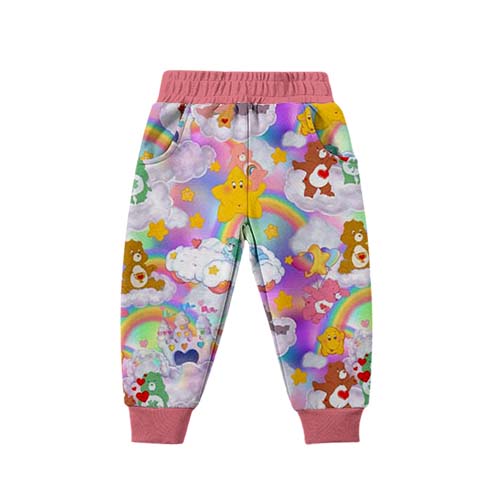
Definition & Fit: Joggers feature tapered legs ending in elastic or cuffed ankles. Manufacturers typically utilize drawstring waistbands for a highly adjustable fit. They provide a relaxed silhouette around the hips and thighs.
Pros: They offer exceptionally high comfort levels. The tapered ankle accommodates varied footwear easily. They represent an ideal choice for athletic activities. Casual play sessions demand this level of loose comfort. Kids can run freely without fabric restriction.
Risks/Limitations: Many school uniform policies strictly prohibit sweatpants. Fleece varieties often pill quickly under heavy friction. They degrade faster than tightly woven fabrics during intense outdoor use. They rarely suit formal occasions.
Definition & Fit: These garments feature form-fitting designs made from high-spandex blends. Makers design them specifically to allow maximum range of motion. They hug the leg closely from waist to ankle.
Pros: They deliver unrestricted mobility for highly active children. You can easily layer them under heavy winter gear. They often prove highly sensory-friendly due to their flat seams. Integrating high-quality options like kids stretch pants ensures reliable daily comfort. They transition smoothly between school and home environments.
Risks/Limitations: Thin spandex blends offer lower abrasion resistance. Rough surfaces like concrete can cause immediate tears. You must check fabric weight carefully. Avoid sheer materials for rough playground environments.
Definition & Fit: Denim consists of tightly woven cotton twill. Brands offer them in standard, relaxed, or skinny fits. These variations suit different body types perfectly.
Pros: Heavyweight denim provides the highest baseline durability. They hold up exceptionally well during intense outdoor play. The thick fabric effectively conceals dirt. They handle frequent washing cycles reliably.
Risks/Limitations: Rigid classic denim restricts natural movement heavily. You should actively seek out stretch denim blends. They ensure proper playground viability. Hard metal hardware frustrates younger children easily. Rivets sometimes cause discomfort during seated floor activities.
Definition & Fit: Chinos are structured, flat-front trousers. Makers typically construct them from durable cotton-twill blends. They feature standard button-and-fly closures traditionally.
Pros: These trousers meet almost all strict school dress codes. They provide a clean, polished look suitable for formal occasions. They resist basic wear very well. They maintain their shape after multiple washes.
Risks/Limitations: Cotton twill remains highly prone to wrinkling. Zero-stretch variations will inevitably result in split seams during active play. Hidden adjustable elastic waistbands are strictly mandatory here. They guarantee proper longevity as the child grows.
You must assess cotton-to-synthetic ratios carefully. Pure cotton offers superior breathability for active days. However, it carries a high shrink risk during warm washing cycles. Poly-blends offer enhanced durability and wrinkle resistance. Unfortunately, synthetic fibers sometimes hold onto odors longer. Understanding these ratios helps you predict garment lifespans accurately. We recommend choosing specific blends based on your laundry habits.
Fabric Type | Shrink Risk | Durability | Breathability |
|---|---|---|---|
100% Cotton | High | Moderate | Excellent |
Poly-Blend Twill | Low | High | Moderate |
Stretch Denim | Low | Very High | Moderate |
Spandex Blends | Medium | Moderate | Good |
Analyze the actual necessity of drawstrings carefully. Functional drawstrings allow precise waist adjustments daily. Faux ties merely add decorative bulk. You must evaluate snap buttons versus traditional buttonholes based on dexterity. Snaps speed up dressing times significantly for younger age groups. Hook-and-bar closures offer a formal look but confuse tiny fingers. We suggest testing closures in the store whenever possible. Complex hardware often leads to bathroom accidents.
Factor in the harsh reality of grass stains. Knee friction creates deeply embedded dirt patches frequently. High-heat drying cycles stress fabric fibers heavily. You should actively avoid styles requiring delicate care. Line-drying routines consume too much time for busy families. Everyday clothing must survive aggressive laundry regimens. Using enzyme cleaners on durable twill yields excellent results. Always check care tags for hidden maintenance warnings.
Children require entirely different garment structures as they mature. You must adapt your buying criteria to match their physical development. We recommend updating your approach every two years.
Toddlers (Ages 1-3): Prioritize adequate diaper accommodation heavily. Look for dropped crotches and flexible gussets. Rapid pull-down capability remains crucial for successful potty training. You must avoid complex hardware entirely at this stage. Soft knits rule this age bracket exclusively.
Early Elementary (Ages 4-7): Children enter the peak knee destruction phase now. Prioritize reinforced knees to prevent rapid blowouts. Darker colors hide daily playground stains effectively. You can begin transitioning them to introductory button-fly styles slowly. Ensure they can operate zippers safely before upgrading them.
Tweens (Ages 8-12): Preferences shift heavily toward adult-style emulation. Proper fit and current trends dominate their choices. Wide-leg or straight cuts become primary drivers over pure parental utility. You must negotiate a balance between aesthetic desires and functional durability. Involve them directly in the selection process to ensure they wear the items.
Relying on generic age-based sizing charts presents a massive risk. Brands use widely inconsistent sizing metrics across the industry. A size seven in one brand rarely matches another. You must measure the child's true inseam and waist accurately. Cross-reference these exact measurements against brand-specific guides before purchasing.
Common Mistake 1: Relying solely on age labels printed on garment tags.
Common Mistake 2: Ignoring actual inseam measurements when buying online.
Common Mistake 3: Assuming consistent sizing across different brands.
Common Mistake 4: Buying exact sizes without accounting for mid-season growth spurts.
Start your process by verifying the required dress code. Filter the acceptable options by your child's specific sensory needs. Decide between highly structured trousers or flexible garments next. Finalize your choice by inspecting critical durability features closely. Look for reinforced knees and adjustable waistbands. This logical progression prevents frustrating returns and wasted money.
Audit your child’s current wardrobe thoroughly to find gaps.
Identify the specific styles they wear most frequently.
Measure their current true inseam and waist circumference today.
Purchase a single test pair to verify fit and comfort.
Observe their mobility before buying multiple colors in bulk.
A: Cotton-poly twill blends and heavy denim offer the highest durability. A slight synthetic mix like polyester or elastane adds crucial flexibility. This prevents rigid seams from snapping under pressure. Always look for reinforced zones, particularly double-lined knees, to maximize the garment's lifespan against abrasive playground surfaces.
A: Acceptability varies widely by age and district. Elementary schools typically allow them for general classroom wear and recess. However, middle schools often classify them strictly as activewear and ban them. You must check your specific school handbook language regarding leggings or athletic bottoms before making bulk purchases.
A: Do not simply size down, as they will be too short. Recommend brands featuring hidden adjustable elastic waistbands inside the garment. Look for specific "slim" cut categories in woven trousers or denim. These cuts accommodate narrower waists while maintaining the correct inseam length for their height.
A: Knee blowouts happen due to repetitive fabric friction on abrasive playgrounds. Sliding on synthetic turf, woodchips, and concrete grinds down natural fibers quickly. To solve this, buy pants with double-lined knees or reinforced patches. Alternatively, utilize iron-on knee-patching strategies inside the garment to reinforce high-friction zones.


