
close
Choose Your Site
Global
Social Media
Views: 0 Author: Site Editor Publish Time: 2026-06-18 Origin: Site


Have you ever pulled a favorite pair of trousers from the dryer only to find they mysteriously shrank? Or maybe you notice your child rapidly outgrowing their current wardrobe. These scenarios cause immediate frustration for anyone relying on flexible, comfortable clothing. We often assume elastic materials can simply expand indefinitely to accommodate body changes. However, textile engineering paints a different picture. Flexible materials possess a strict elastic limit. Exceeding this boundary causes permanent fiber damage rather than creating useful expansion. Attempting to force extra room often ruins the garment completely.
This article serves as your definitive guide to understanding fabric mechanics and garment modification. We will help you evaluate whether your current clothing can safely undergo alteration. You will learn the crucial differences between temporary resizing hacks and permanent structural changes. Ultimately, we will outline a clear decision matrix. This framework helps you decide when to attempt a DIY alteration and when investing in purpose-built, size-appropriate replacements offers a far more practical path.
Material Constraints: Spandex and elastane cannot be permanently stretched without breaking the fibers; successful stretching targets the cotton/polyester blend woven around them.
Method Viability: Heat, moisture, and mechanical tension offer temporary to semi-permanent solutions, while sewing alterations provide permanent structural changes.
Cost-to-Effort Ratio: If stretching requires more than 30 minutes of labor or risks seam failure, transitioning to adjustable or correctly sized kids stretch pants is the superior ROI.
Risk Assessment: Overstretching leads to "bagging" (loss of elastic recovery) rather than a uniform size increase.
Before you pull or heat any garment, you must inspect the care label. Fiber composition dictates how a garment responds to tension. Different materials require completely different approaches. High-spandex blends bounce back aggressively. They resist permanent reshaping by design. Manufacturers engineer these synthetics to retain their original form. Conversely, high-cotton or denim blends act quite differently. Natural fibers prove much more receptive to permanent reshaping. Cotton fibers swell and relax when wet. This swelling allows the threads to slide past one another.
You must understand the "elastic recovery" limit. Most flexible garments rely on a small percentage of elastane. Attempting to permanently stretch garments containing more than 5% elastane usually fails. Forcing expansion beyond this limit results in micro-tears. You will not achieve a comfortable fit. Instead, you snap the internal synthetic core. This destroys the structural integrity of the fabric.
We must define what a successful alteration actually looks like. A viable stretch gains roughly 0.5 to 1 inch. This small gain works exceptionally well for tight waistbands. However, expecting a full size jump remains unrealistic. You cannot magically transform a small into a medium using water and tension.
Look out for critical red flags before attempting any DIY methods. Certain signs indicate you should abandon the project entirely. Brittle elastic represents a major warning sign. If you hear a faint crunching sound while pulling, the polymer has degraded. Stressed seams show visible threads pulling apart. Thinning fabric at the thighs means the material lacks the strength to survive further tension.
Fabric Composition & Stretch Potential | |||
Fiber Blend | Elastane Content | Stretch Potential | Risk of Tearing |
|---|---|---|---|
Cotton-Rich Denim | 1% - 2% | High (Up to 1 inch) | Low |
Standard Chino Blend | 3% - 5% | Moderate (Up to 0.5 inch) | Medium |
Performance Athletic | 10% - 20% | Very Low (Snaps back) | High |
Pure Synthetic Base | Over 20% | Zero (Permanent damage) | Extreme |
When your trousers feel too snug, you face three distinct categories of solutions. Each approach utilizes different mechanical or chemical principles. You must choose the method aligning best with your desired outcome.
The first category involves thermal and chemical relaxation. This provides a strictly temporary fix. You use warm water mixed with fabric softener. Alternatively, baby shampoo works exceptionally well. This mixture acts as a chemical lubricant. It relaxes the polymer bonds within the woven fabric. Surfactants in the shampoo coat individual threads. This reduces internal friction dramatically. The outcome proves highly effective for minor shrinkage recovery. However, this method carries a significant drawback. The fabric typically resets after the next wash cycle.
The second category utilizes mechanical tension. This approach yields semi-permanent results. You might use dedicated waistband stretchers. Some people prefer the classic "wear-and-squat" method. You perform these actions while the fabric remains damp. This technique works great for targeted areas. You can effectively loosen a tight waist or restrictive calves. Unfortunately, this approach carries specific risks. Applying uneven force causes asymmetrical fabric distortion. You might warp the shape permanently.
The third category requires structural alteration. This serves as the only truly permanent solution. It involves cutting the waistband directly. You then sew in an elastic panel or a fabric side gusset. This method bypasses the material constraints entirely. It represents the only verifiable way to permanently increase size. You gain width without compromising the existing fabric integrity. However, it requires sewing skills and dedicated equipment.
Comparison Chart of Resizing Solutions | |||
Solution Category | Primary Mechanism | Expected Longevity | Primary Drawback |
|---|---|---|---|
Thermal & Chemical | Lubricates polymer bonds using warm water and gentle surfactants. | Temporary | Resets completely after the next laundry cycle. |
Mechanical Tension | Forces expansion using stretchers or body movement while damp. | Semi-Permanent | Risks uneven distortion and minor fiber tearing. |
Structural Alteration | Introduces new material panels via sewing and cutting. | Permanent | Requires technical sewing skills and alters original design. |
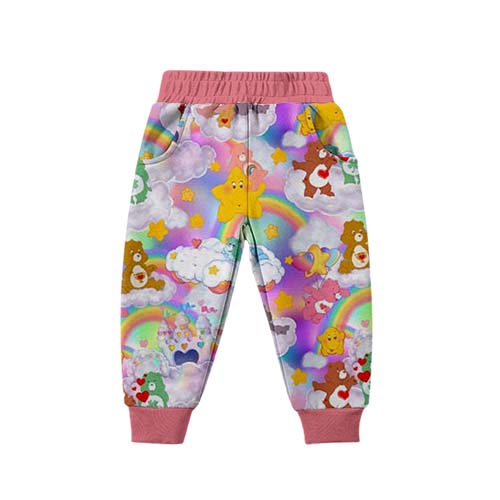
If you decide to proceed, you must use proven protocols. Haphazardly pulling on dry clothing guarantees ruined garments. Follow these structured methods to ensure maximum safety and effectiveness.
This protocol works best when the entire garment feels slightly restrictive. Water acts as the primary softening agent here.
Prepare the solution: Fill a spray bottle using lukewarm water. Do not use hot water. Hot temperatures can permanently damage synthetic elastic cores.
Saturate the fabric: Spray the targeted areas evenly. The material should feel damp but not dripping wet. Focus heavily on the waistband and thigh regions.
Apply tension: Begin uniform, multidirectional pulling. Grab the fabric firmly. Pull outward steadily for several minutes. Do not jerk the material suddenly. Smooth pressure prevents micro-tears.
Secure the shape: Air dry the garment under tension. Insert a wooden hanger into the waist. You can also use a specialized mechanical stretcher. Leave it in place until completely dry.
Sometimes you only need extra room in one specific spot. Tight knees or a pinching hip seam require localized intervention.
Apply localized heat: Use a standard hairdryer. Set it to a medium heat setting. Keep the nozzle at least six inches away from the fabric surface. Move the dryer constantly to prevent scorching.
Warm the fibers: Heat the tight zone for roughly two minutes. The material should feel warm to the touch. Heat temporarily softens synthetic blends.
Manipulate the area: Physically stretch the warm zone. Pull outward firmly. Hold the tension until the fabric cools down completely. Cooling sets the new shape temporarily.
You must maintain strict quality control during these processes. Carelessness leads directly to ruined clothing. Avoid excessive heat at all costs. High temperatures melt spandex instantly. Once you melt the elastic core, you permanently ruin the garment's elasticity. The material will feel stiff and crispy.
Furthermore, uneven tension creates severe problems. Pulling harder on one side causes asymmetrical stretching. You might accidentally make one pant leg longer than the other. Always apply balanced, mirrored force. Check your progress frequently. Stop immediately if you hear any threads snapping.
Pushing fabric beyond its engineered limits introduces several hidden costs. You might gain an inch of space, but you sacrifice overall garment quality. Overstretching triggers a cascade of structural failures.
Degradation of Fit: You will likely experience the dreaded "baggy knee" effect. When you snap the elastane core, the yarn loses its ability to retract. The fabric stretches out but never recovers. This leads to a sagging seat and distorted silhouettes.
Compromised Durability: Seams take the brunt of forced stretching. The threads holding the panels together rarely possess any elasticity. Pulling hard weakens the tensile strength of these seams. This localized stress directly causes sudden blowouts during active wear.
The Wash Cycle Reset: You cannot ignore the maintenance overhead. Most non-sewing methods require complete re-application after every laundry cycle. The water and heat from your washer reset the fibers. Repeating this labor-intensive process weekly quickly becomes exhausting.
These hidden costs often outweigh the benefits. You trade structural integrity for a fraction of an inch. Understanding these risks helps you make better wardrobe management decisions.
Every DIY attempt reaches a logical tipping point. You must recognize when alteration efforts become counterproductive. Refusing to abandon a failing modification wastes valuable time. It also causes unnecessary physical discomfort.
Establish clear criteria for abandoning your DIY methods. First, assess the required size increase. If the garment requires more than one inch of additional space, stop immediately. Chemistry and mechanical tension cannot safely bridge that gap. Second, look for visible fabric degradation. Thinning patches or rippled elastic mean the item has expired. Finally, listen to the wearer. If a child continually complains about restricted movement, the fabric has lost its dynamic flexibility.
When you reach this tipping point, shift your focus. Begin evaluating criteria for new purchases. Smart shopping prevents future sizing frustrations. Look for built-in scalability first. High-quality youth garments feature internal adjustable button-tabs hidden inside the waistband. These tabs allow you to expand the waist incrementally as needed.
Next, analyze the fabric architecture. Prioritize genuine 4-way stretch fabrics. Traditional fabrics only stretch horizontally. 4-way materials stretch horizontally and vertically. They accommodate natural growth spurts seamlessly. Finally, inspect the reinforcement. Ensure knees and major seams feature double stitching. Active play destroys weak seams quickly. Strong reinforcement handles daily stress without requiring constant structural adjustments.
Take decisive action based on these factors. Stop wasting your weekend hours on temporary chemical hacks. Evaluate a curated collection of durable alternatives instead. Investing in well-engineered kids stretch pants delivers superior comfort. It eliminates the frustration of constant wardrobe maintenance. Proper clothing simply adapts to the wearer naturally.
Modifying tight clothing requires realistic expectations and careful execution. Minor stretching hacks certainly provide a half-inch of comfortable breathing room. However, they consistently fail as a long-term solution for outgrown clothes. You cannot force fabric to exceed its engineered elastic limits without destroying the internal polymer bonds.
We highly encourage you to reserve these tension and heat techniques for minor post-wash shrinkage. Use baby shampoo and damp stretching only to restore garments to their original factory dimensions. Avoid treating these methods as a way to size-up a wardrobe.
Instead, rely on high-quality, inherently adjustable garments for sustainable long-term comfort. Upgrading your wardrobe saves hours of frustrating labor. We recommend exploring modern, scalable apparel designs. Protect your time and prioritize everyday comfort by choosing fabrics engineered specifically for dynamic mobility.
A: No. Pure elastane relies entirely on its ability to return to its original shape. Forcing it to stay stretched breaks the molecular fibers. Once these internal polymer chains snap, the fabric loses its elasticity completely and becomes permanently deformed.
A: It does not stretch the clothes itself. Fabric softener coats and lubricates the individual woven fibers. This lubrication reduces internal friction, making it significantly easier for you to manually manipulate and stretch the material while it remains damp.
A: You can typically add 1 to 1.5 inches safely. Pushing the stretcher beyond this measurement usually compromises the zipper integrity. It also places immense stress on the stitching at the side seams, greatly increasing the risk of sudden blowouts.
A: No. High heat will cause the relaxed textile fibers to contract aggressively back to their original state. This completely undoes your stretching efforts. You must air dry the garment under tension to temporarily lock in the new dimensions.


