
close
Choose Your Site
Global
Social Media
Views: 0 Author: Site Editor Publish Time: 2026-06-17 Origin: Site


Finding pants fitting your child’s height without falling off remains a universal parenting struggle. Long legs often mean grabbing a larger size. This leaves the waist comically loose and completely unmanageable. This sizing gap creates a frustrating cycle of constant wardrobe replacements. It also causes daily clothing malfunctions. When bottoms slip down, they cause serious physical discomfort. They actively hinder a child's ability to run, climb, and play freely. You need practical, immediate ways to solve this fitting issue right now. In this comprehensive guide, we evaluate immediate no-sew hacks. We look at reliable DIY alterations for quick relief. We also review aftermarket waist adjusters. Finally, we explore the long-term benefits of purpose-built garments. You will learn exactly how to handle this sizing gap effectively. Keep your kids comfortable every single day.
Temporary fixes (like the hair-tie loop or aftermarket clips) work best for sudden growth spurts but can cause sensory discomfort.
Basic sewing alterations (adding elastic) provide a permanent fix but require time and basic tailoring skills.
Age dictates the method: Toddlers in diapers require different waistband flexibility than older, potty-trained children.
Investing in high-quality kids stretch pants with built-in adjustable waistbands is the most scalable, zero-effort solution for hard-to-fit children.
Every parent faces the sudden morning rush. You pull out a fresh pair of trousers for school. You watch them slide directly down your child’s hips. You need immediate, practical action. No-sew hacks offer rapid solutions. They work well when you cannot spare five minutes for sewing. They get you out the door fast.
The Hair-Tie or Rubber Band Loop provides the most recognized emergency intervention. It requires zero specialized tools. You usually have a hair tie lying around the bathroom counter. Here is how you execute this quick modification:
Locate a sturdy, fabric-covered hair elastic or a thick rubber band.
Pinch the elastic and thread one end entirely through the garment's buttonhole.
Pull the first loop through the second loop. Create a tight knot securing it onto the buttonhole edge.
Stretch the remaining open loop firmly across the zipper line. Hook it directly over the waist button.
This technique proves completely free and incredibly fast. It buys you a full day of wear. However, you must carefully consider the physical drawbacks. The doubled-over tie adds substantial bulk to the front waistline. Children sit at school desks for hours. The rigid denim button presses inward. The tense elastic band digs directly into their stomach. This causes immediate sensory issues. It creates distraction and leaves painful red marks by the afternoon.
Another frequent shortcut involves safety pins and fabric clamping. Parents grab the extra loose material at the back spine. They pin it tight. While highly tempting during a rush, implementation realities expose serious flaws. Pinning dramatically alters the natural drape of the garment. It forces heavy bunching along the waistband. This creates a lumpy, uncomfortable ridge pressing against the child's spine.
More importantly, makeshift clamping presents a severe physical safety risk. Active children stretch, twist, and bend constantly throughout recess. High movement tension easily forces standard safety pins to spring open. An open pin will severely scratch the child's skin during play. Due to these hazards, pinning remains highly inadvisable. Avoid it for anything beyond taking a stationary family photograph.
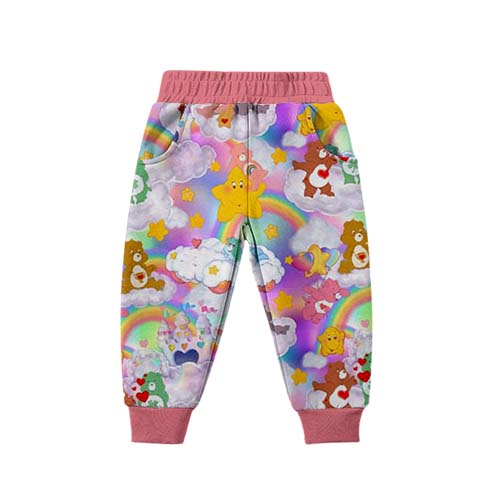
When morning clothing emergencies pass, you must evaluate mid-term solutions. You must weigh the personal time investment against practical durability. Temporary hacks consistently fail over weeks of continuous wear. They do not survive multiple washing cycles. At this intermediate stage, you typically choose between purchasing external accessories or altering the garment yourself.
To clearly see the difference between these paths, review this comparison chart. It outlines time and skill requirements for common wardrobe fixes:
Solution Type | Skill Level Required | Time Investment | Durability Expected |
|---|---|---|---|
Aftermarket Belts | None | Instant | Moderate to High |
Metal Tension Clips | None | 1-2 Minutes | Low (Damages fabric easily) |
Fabric Darting | Intermediate Tailoring | 20-30 Minutes per pair | Permanent |
Elastic Insertion | Basic Sewing | 15-20 Minutes per pair | Permanent and Adjustable |
Many caregivers turn to commercial adjusters to bridge the sizing gap. These specialized products map specific hardware features to desired outcomes. D-ring belts allow infinite tension control rather than relying on preset punched holes. Magnetic clasps offer quick snapping for little hands. They help children lacking developed fine motor skills. Tension clips pull fabric tight at the back. They hide the adjustment mechanism from front view.
Despite these clever market designs, severe functional limitations exist. Heavy, woven belts often impede independent bathroom use for younger kids. Children typically develop complex buckling skills around age six. When a child waits until the absolute last second to use the restroom, a tricky buckle causes frustrating accidents.
Furthermore, aftermarket metal clips present hidden daily dangers. They frequently trigger severe sensory issues. A child leans back against a hard plastic school chair and feels metal pressing their spine. Over time, the sharp metal gripping teeth degrade the cotton. They tear visible holes in the waistband long before the child outgrows the pant legs.
For those seeking permanent fixes, traditional tailoring remains a highly viable option. Adding fabric darts at the back waist reduces the total circumference smoothly. A more popular implementation involves opening the back waistband seam entirely. You cut a small internal slit. You thread 3/4-inch buttonhole elastic through the casing. You securely stitch flat buttons on either side to anchor the ends.
This classic method proves highly effective and completely customizable. You can simply tighten or loosen the internal elastic track as the child grows. However, objective evaluation reveals a harsh reality for busy families. It requires a functioning sewing machine. You need proper denim needles and matching heavy-duty thread. Spending 20 to 30 minutes modifying a single garment drains your limited weekend hours. When applying this tedious process to an entire seasonal closet, traditional sewing lacks vital scalability.
No single clothing sizing trick works universally across all childhood age groups. Children experience vastly different physical milestones. They navigate different social environments as they mature. You must intelligently adapt your approach based directly on their current developmental stage.
Toddlers and preschoolers present a highly unique fitting challenge. Their daily context involves drastic diaper bulk variations. A waistband fitting snugly over a fresh diaper often becomes overly loose just hours later. Furthermore, you face the critical need for easy pull-down mechanics. This is paramount during the demanding potty training phase. A toddler simply cannot navigate difficult metal fasteners. They struggle heavily when bathroom urgency strikes.
Recommendation for early years: Avoid stiff belts or complex button layouts entirely. Soft, highly flexible elastic modifications are mandatory here. You want forgiving bands. These allow the child to push garments down instantly by themselves. You must avoid adding anything rigid or sharp pressing against their sensitive stomachs during daily nap times.
School-aged children operate in a completely different social reality. Their context shifts heavily toward higher activity levels on the playground. They also develop acute peer awareness regarding their daily clothing appearance. A visible, bulky tension clip drawing attention to their waistline often causes deep embarrassment. They need clothes looking perfectly normal from the outside. The garments must function securely on the inside.
Recommendation for school ages: Hidden inner-waist adjustments or invisible clips always win over bulky exterior belts. Older kids demand autonomy. Garments must stay up securely during aggressive running. They should not require constant mid-game adjustments. Internal modifications provide ultimate confidence. They deliver physical security without altering the intended fashionable style.
Constantly fixing ill-fitting clothes becomes emotionally and physically exhausting. You eventually realize modifying rigid denims wastes immense parental energy. Intentionally designed bottoms eliminate the need for ongoing alterations entirely. Replacing standard trousers with purpose-built garments serves as the ultimate, highly scalable solution.
Integrating intelligently designed items, such as kids stretch pants, permanently transforms the hectic morning routine. You skip the dangerous safety pins. You hide the bulky belts. You simply trust the garment itself to do the heavy lifting.
When evaluating these specialized garments for purchase, you must closely examine several key dimensions. You want to ensure long-lasting quality and maximum daily functionality. Keep these critical evaluation features in mind:
Adjustable Inner Button-Tabs: Look closely for bottoms featuring woven elastic straps. Manufacturers sew these directly into the inner waistband lining. These hidden tabs let you cinch the waist symmetrically. This prevents awkward external bunching and eliminates skin irritation.
4-Way Stretch Fabrics: The core material composition matters immensely. Blends utilizing elastane or spandex provide crucial four-way stretch. This allows the garment to contour smoothly to a slim waist. It freely accommodates wide leg movements, jumping, and eventual growth spurts.
Durability vs. Comfort: High-quality stretch material must maintain excellent structural recovery. Textile recovery means returning to original shape after stretching. It should not bag out loosely at the knees after three hours of intense wear. Simultaneously, it must provide sensory-friendly, breathable comfort. It should never feel overly synthetic or scratchy against bare skin.
Finally, consider the overall value assessment of this wardrobe transition. Think carefully about the cumulative resources drained by fixing clothes. You constantly purchase aftermarket belts and extra sewing supplies. You frequently replace ruined altered clothing. When tension clips tear delicate fabric, you lose the entire garment investment. Upgrading upfront to high-quality, flexible bottoms saves you substantial daily effort. It guarantees your child consistently steps out the door feeling comfortable, emotionally secure, and ready to play.
Managing a child's wardrobe requires flexibility and smart choices. Use no-sew hacks strictly for unexpected morning emergencies. They buy you time but fail long-term. Rely on aftermarket adjusters for brief transitional phases. These help when your child falls between standard sizes. Ultimately, prioritize adjustable and stretch-enabled garments for permanent wardrobe planning.
Auditing your child's current closet is the best next step. Identify the rigid bottoms causing daily frustration. Phase them out quickly. Transitioning to reliable, built-in solutions ensures a frictionless morning routine. A comfortable child moves freely. They learn better and play harder without constantly pulling up their clothes.
A: Washing cotton in hot water and using high dryer heat may shrink the fabric slightly. However, this method shrinks the length just as much as the width. You might fix the loose waist temporarily. Unfortunately, you create pants entirely too short for your growing child. This solves one problem but creates another.
A: Yes, magnetic belts offer great convenience. However, you must verify the magnet's physical strength. If the magnet feels too weak, the belt fails and pops open during active play. If it proves too strong, the toddler cannot undo it independently in time for the bathroom.
A: Buttonhole elastic is a specialized stretch band featuring small, pre-cut slits along its center. Quality kids' clothing often hides this elastic inside the inner waistband lining. Parents can pull the elastic tight and secure a slit over a hidden interior button. This allows exact, customized sizing without external belts.


