
close
Choose Your Site
Global
Social Media
Views: 0 Author: Site Editor Publish Time: 2026-08-08 Origin: Site


Exhausted parents often search desperately for ways to soothe a crying infant. You might look for ways to elevate a baby suffering from acid reflux, colic, or severe nasal congestion. When a child struggles to sleep, desperation sets in quickly. However, placing a pillow under a fitted crib sheet is strictly against all safe sleep protocols. It creates severe, immediate dangers for your baby. The American Academy of Pediatrics (AAP) sets the baseline standard for infant safety, requiring a completely flat, firm surface. Deviating from this standard compromises infant breathing and structural safety. In this guide, we explore the specific mechanical and physiological risks of this sleep hack. You will learn exactly when pillows become safe for a growing toddler. Finally, we will share compliant, medically sound alternatives to keep your infant comfortable all night.
Parents often try modifying the sleep surface out of sheer exhaustion. Common triggers include severe colds, frequent GERD, acid reflux, or transitioning out of contact naps. When your baby suffers from congestion, you naturally want to help them breathe easier. Raising their head seems like a highly logical solution. The intent is to ease breathing or digestion by elevating the upper body. Most adults sleep better propped up when sick, so we project this need onto our infants.
However, the reality is much more dangerous than most caregivers realize. The DIY method of hiding a pillow introduces uncontrollable variables into a fragile sleep environment. An infant cannot reposition themselves if they slide into a dangerous posture. Adding bulk underneath their sleeping area destroys the calculated safety testing of the mattress.
Many parents believe putting the pillow under the sheet mitigates the suffocation risk. They think the tight fabric creates a secure, impenetrable barrier. This flawed logic ignores how easily a baby can shift during active sleep cycles. It also ignores how the fabric stretches over the hidden obstacle. You cannot guarantee the incline remains stable while your baby moves. If they roll, the uneven surface can trap them against the crib rails.
Modifying the crib surface creates invisible but highly lethal hazards for an infant. The most significant physiological danger is positional asphyxiation. A newborn has a heavy head and an incredibly weak neck. Their airway is soft, much like a flexible plastic straw. An unmeasured incline can easily cause their heavy head to slump forward onto their chest. This specific position quietly and rapidly cuts off their airway. Unlike a struggling adult, a baby suffering from positional asphyxiation makes no noise.
Furthermore, adding bulky items creates a severe structural risk. A standard mattress is designed to be completely flat and level. Adding a pillow alters these precise dimensions dramatically. It stretches the fabric and breaks the secure grip of the fitted cover. If the elastic tension fails, the fabric can snap off the corners entirely. The resulting loose material can quickly entangle the infant in the dark. This is why you must rely on a well-fitted crib sheet applied directly to a flat mattress.
Many parents point to commercial "crib wedges" as justification for an incline. However, the wedge illusion is a dangerous and debunked myth. Commercial wedges and inclined sleepers have faced massive, broad recalls globally. They fail repeatedly due to identical safety flaws and infant fatalities. The compliance reality is very strict across the medical community. No pediatrician or certified sleep consultant will ever endorse altering a mattress with a pillow. They enforce the compliance reality of a completely bare, flat bed for the entire first year.
You can safely manage night sickness without altering the bed in any way. Start by making smart environmental adjustments in the nursery. We highly recommend using cool-mist humidifiers to add moisture to the air. Air purifiers also work well to clear tiny airways of dust and allergens. These tools relieve congestion naturally as your baby rests on a flat surface. They require zero modifications to the actual sleep space.
You should also implement pre-sleep medical interventions to maximize comfort. Highlight the use of nasal aspirators and sterile saline drops right before bedtime. Suctioning mucus provides immediate relief for a stuffy nose. If your baby has severe reflux, adjust their feeding schedule slightly. Keep them fully upright for 20 to 30 minutes post-feeding. Gravity helps settle their stomach contents before you lay them down for the night.
The pediatric consensus remains absolute regarding sleep positioning. Flat, firm sleep surfaces are fundamentally safer under all circumstances. This applies even when a baby is highly congested or spitting up frequently. A flat surface prevents positional asphyxiation entirely and supports healthy spine development.
Table: Unsafe Practices vs. Evidence-Based Safe Alternatives
| Parental Goal | Dangerous DIY Hack | Safe, AAP-Approved Alternative |
|---|---|---|
| Relieve nasal congestion | Pillow under the sheet to elevate the head | Use a cool-mist humidifier and nasal aspirator |
| Manage acid reflux (GERD) | Placing a commercial wedge under the mattress | Hold baby upright for 30 minutes after feeding |
| Improve comfort during illness | Adding folded blankets under the baby | Adjust room temperature and use saline drops |
| Transition from contact naps | Creating a soft incline to mimic holding | Use a firm mattress with a tightly fitted cover |
Age requirements strictly dictate when you can introduce sleep accessories safely. The official milestone typically lands between 18 and 24 months of age. Often, this transition aligns perfectly when moving a child into a toddler bed. Until this age, they do not need head elevation for spinal alignment or comfort. Their bodies are perfectly suited to resting on a level plane.
When the right time finally comes, format rules are very specific. Pillows must always go on top of the bedding. You must never place them under a fitted sheet or a mattress pad. Hiding them creates a false sense of security and damages the elastic of the bedding. A toddler should be able to move the pillow away if they feel too warm.
Product selection is equally important for a growing toddler. You need specific criteria for a safe first pillow. It must be firm, small, and have a very low loft. Avoid adult-sized memory foam or overly plush feather designs. Small toddler pillows support the neck gently without posing a smothering hazard. They are proportioned correctly for smaller shoulder widths.
Parents can genuinely improve a sleep environment through compliant, high-quality bedding. You do not need unsafe hacks to create a cozy, inviting space. Solving for comfort safely means focusing on fabric quality and structural fit. A superior fabric choice makes a massive difference in how well an infant sleeps.
Material breathability plays a primary role in overnight temperature regulation. Babies cannot easily regulate their own body heat. We highly recommend using 100% organic cotton, muslin, or bamboo fabrics. These materials naturally aid sleep by keeping the skin cool and completely dry. Synthetic fabrics trap heat and cause uncomfortable night sweats.
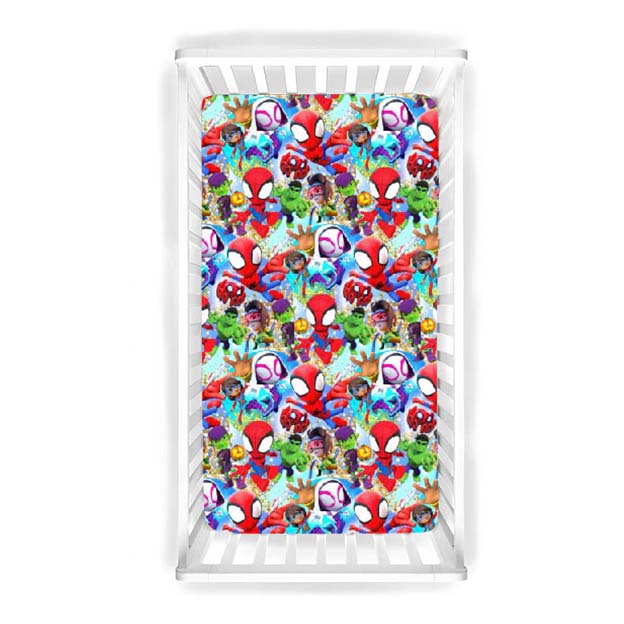
Fit and tension are critical safety components you cannot ignore. You must follow the 360-degree elastic rule when shopping. You should evaluate crib sheet sets carefully for deep pockets. Fully encased elastic bands guarantee the fabric will not budge. Even an highly active sleeper cannot pull it loose during the night.
Use this shortlisting logic when evaluating your next purchase:
You must never put pillows under the fitted sheet for infants. This is the definitive final verdict backed by pediatric science. A flat, firm mattress covered only by tightly fitted bedding is the only clinically approved environment. Altering the sleep surface introduces severe risks of suffocation and structural failure. We strongly encourage parents to invest in safe, high-quality bedding instead. Rely on environmental tools like humidifiers to manage nighttime sickness or discomfort effectively. Skip the dangerous DIY hacks entirely. Focus on creating a pure, uncompromised sleep space for your child. Your baby will sleep safely, and you will finally gain true peace of mind.
A: No, this creates the same unapproved incline and positional asphyxiation risk. Elevating one end of the mattress violates AAP safe sleep guidelines. It can cause your baby to slide down or slump forward, blocking their airway. Always keep the mattress entirely flat and firmly supported.
A: Safe sleep guidelines apply to all sleep, regardless of the time of day. Silent asphyxiation can happen even under direct supervision. You cannot always tell if a baby’s airway is compromised just by looking at them. Do not alter the sleep surface for any naps.
A: Wait until the child is at least 18-24 months old. Ideally, you should introduce a pillow when transitioning them out of the crib and into a toddler bed. Always choose a firm, low-loft toddler pillow rather than a thick, plush adult version.
A: No, and they shouldn't. The mattress must remain firm to ensure optimal safety and prevent suffocation. You should evaluate crib sheet sets based on high breathability and tight fit, not padding. Added padding is actively dangerous for young infants.


