
close
Choose Your Site
Global
Social Media
Views: 0 Author: Site Editor Publish Time: 2026-06-20 Origin: Site


Discovering your favorite pants suddenly feel too tight is incredibly frustrating. We often notice this immediately after washing, during minor weight fluctuations, or in the middle of a child's rapid growth spurt. The immediate reaction is usually a scramble to fix the problem fast. We want instant comfort without discarding the garment entirely.
The internet overflows with quick hacks promising to magically expand waistbands. Unfortunately, the physical reality of woven and knit fabrics sets strict limits on these miracles. Pulling blindly at seams rarely yields lasting results. It often destroys the garment instead. Fabric has structural boundaries. Once you push past them, you risk permanent damage.
You can temporarily stretch certain natural fabrics. However, trying to permanently alter garments usually compromises their structural integrity. For rapidly growing youngsters, investing in purpose-built kids stretch pants offers a much more scalable and reliable solution. Upgrading simply beats constantly fighting rigid waistbands.
Fabric limits: Natural fibers (100% cotton) stretch temporarily but shrink back; synthetic blends degrade when overstretched.
Method realities: Wet-stretching and mechanical extenders offer only half-size gains and require repetition after every wash.
The ROI of replacement: Time spent modifying clothes rarely outweighs the durability and comfort of upgrading to clothes designed for mobility.
The ultimate fix: True comfort and longevity require the right material composition (e.g., elastane/spandex blends found in quality kids stretch pants).
Understanding how materials react to tension saves you time and ruined clothing. Textile engineers measure fabric resilience using specific industry standards. They test how far a fiber stretches before it fails. Not all threads behave the same way under stress.
Before you yank on a tight waistband, check the care label. The material blend dictates your success rate entirely. We must manage expectations based on fiber chemistry.
Rigid Denim & 100% Cotton: Pure cotton lacks inherent elasticity. The fibers swell when wet, making them pliable. You can manipulate damp cotton to expand slightly. However, cotton possesses a strong structural "memory." It will revert to its original, tighter shape the moment it goes through a wash and dry cycle.
Spandex/Elastane Blends: Manufacturers design these synthetic polymers to stretch and recover continuously. They bounce back beautifully. However, forcing them past their maximum capacity is disastrous. You break the microscopic polyurethane fibers. This leads to permanent bagging and sagging, not a properly resized garment.
Forcing a permanent stretch introduces significant risks to the garment's architecture. Clothes distribute tension across specific anchor points. When you manually force expansion, you disrupt this balance.
Common Mistake: Yanking aggressively on the waistband directly above the zipper.
If you pull too hard, seams warp. Thread snaps much faster than the surrounding fabric. You also thin out the material at high-friction zones like the crotch and knees. Zippers buckle and break under uneven horizontal pressure. A warped zipper track renders the pants completely unwearable.
We need realistic expectations. Stretching only works for garments that are half a size too small. It does not work for clothes that are fundamentally the wrong size. If you cannot pull the pants over your thighs, stretching the waist will not help. Attempting to gain a full inch or more will inevitably damage the textile structure.
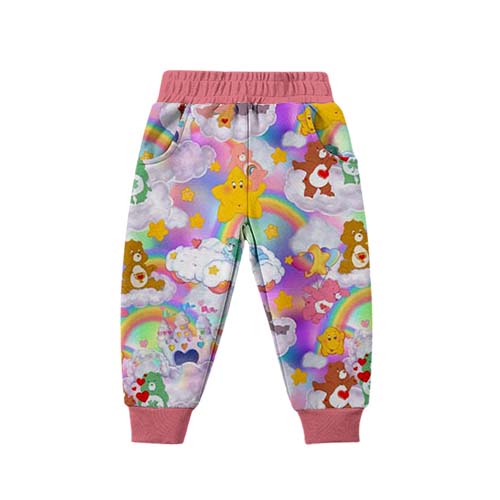
People try numerous household tricks to salvage tight clothes. Most rely on moisture, tension, or mechanical force. Let us examine the most popular approaches and why they often fall short.
Method 1: The Wet-and-Pull Technique
Implementation: You spray the uncomfortably tight areas with lukewarm water. Once damp, you physically pull the fabric in opposite directions. Many people do deep squats or lunges while wearing the wet pants to force expansion across the hips and thighs.
The Reality: This trick is highly temporary. It provides momentary relief for a few hours. The fabric dries and immediately begins shrinking back. You must re-apply this tedious process after every single laundry cycle. It is a constant, frustrating loop.
Method 2: Mechanical Waistband Stretchers
Implementation: You insert wooden or heavy-duty plastic stretchers into the waistband. You dampen the fabric, crank the device to the desired width, and leave it overnight.
The Reality: This tool only solves waistband issues. It completely ignores tightness in the hips, thighs, and crotch. Furthermore, the extreme isolated tension can permanently warp the buttonhole. You might gain waist space, but the pants will sit awkwardly on your body.
Method 3: Tailoring and Seam Releasing
Implementation: You take the garment to a professional tailor. They open the back center seam and let out the extra fabric tucked inside.
The Reality: Older vintage clothing often included generous seam allowances. Most modern mass-market pants do not. Manufacturers trim seams close to save fabric. There is usually nothing left to let out. Even when possible, professional alterations are cost-prohibitive for everyday casual wear.
We often ignore the hidden friction of forcing clothes to fit. The effort drains your time and creates immense daily frustration. This is especially true when dressing active children.
Calculate the daily friction of constantly wet-stretching pants. You spend ten minutes every morning fighting damp denim. Over a month, that equals hours of wasted time. The fabric ultimately fails anyway. The lifespan of heavily manipulated clothing plummets. It simply does not pay off.
Action | Time Investment | Expected Outcome | Garment Lifespan Risk |
|---|---|---|---|
Wet Stretching | 10-15 mins per wear | Temporary half-size gain | High (fibers thin out rapidly) |
Mechanical Stretching | Overnight prep | Waist-only expansion | Medium (buttonhole warping) |
Tailoring | Drop-off and pick-up (days) | Permanent fix (if possible) | Low (professionally handled) |
Tight pants restrict blood flow. They dig into your abdomen when you sit down. They limit your range of motion. This is particularly problematic for active wearers. Restrictive clothing ruins focus. You spend the whole day adjusting your waistband instead of concentrating on your tasks.
Dressing kids presents a unique challenge. Children experience sensory input very directly. They will actively refuse to wear stiff, damp, or constricting clothing. A tight waistband causes genuine distress. Making DIY stretching a daily routine turns mornings into a high-friction battle for parents. Kids need clothes that move with them, not against them.
When you constantly fight tight clothing, it is time to upgrade. Transitioning to better-designed garments eliminates the daily struggle. Purpose-built mobility wear offers superior comfort.
Fabric composition dictates everyday comfort. A blend of 95% Cotton and 5% Spandex offers an ideal ratio. The high cotton content ensures maximum breathability and softness against sensitive skin. The 5% Spandex provides continuous, resilient flexibility. It stretches during cartwheels and snaps back perfectly afterward.
Not all flexible pants perform equally well. Look for specific construction details.
Adjustable internal waistbands: Look for clever button-and-elastic systems hidden inside the waist. They grow dynamically with the wearer. You gain months of extra use without sacrificing fit.
Reinforced knees: Stretch should never equal thin, flimsy fabric. High-friction zones require reinforced stitching or double-layered material. This prevents easily torn fabric during rough outdoor play.
Four-way stretch vs. Two-way stretch: Two-way stretch only pulls horizontally. Four-way stretch expands both horizontally and vertically. Four-way stretch is absolutely non-negotiable for active daily wear. It prevents the pants from pulling down when crouching.
Buying one pair of high-quality kids stretch pants easily outlasts three pairs of rigid, outgrown pants. Rigid clothes require constant manual stretching and tear quickly. Premium flexible wear withstands hundreds of washes. They maintain their structural integrity far longer. The initial upgrade pays dividends in extended wearability.
Constantly Stretched 100% Cotton | 15 Washes |
High-Quality 95/5 Stretch Blend | 60+ Washes |
*Values represent estimated garment lifespan under high-stress active wear conditions.
Knowing when to stop fighting the fabric saves money and frustration. Use a logical framework to decide your next move.
Assess the garment's value, material, and the wearer's needs. Do not waste time on unsalvageable items.
Scenario / Condition | Recommended Action | Reasoning |
|---|---|---|
Premium/expensive adult denim, only mildly tight, 100% natural fiber. | Attempt to Stretch | Cotton can yield slightly without permanent damage. The high initial value justifies the effort of damp stretching or professional tailoring. |
Wearer is a rapidly growing child. | Replace Immediately | Kids outgrow clothes fast. Manual stretching cannot keep up with bone growth. Restrictive clothing limits healthy movement. |
Fabric is already a synthetic blend (e.g., 20%+ polyester/elastane). | Replace Immediately | Overstretching synthetics permanently breaks the micro-fibers. The garment will sag and lose its shape forever. |
Tightness affects the thighs or crotch, not just the waistband. | Replace Immediately | You cannot safely stretch the crotch seam. Forcing it will blow out the seam entirely. |
Pants cause physical discomfort or restrict breathing. | Replace Immediately | Health and comfort always outweigh salvaging a garment. Chronic restriction causes severe abdominal discomfort. |
Best Practice: Always audit your closet seasonally. Remove clothes that consistently cause physical discomfort. Donate them while they still have life left.
Respect fabric limits: You can manipulate 100% cotton temporarily, but you cannot fundamentally change a garment's baseline dimensions without risking structural damage.
Avoid synthetic breakdown: Forcing spandex or elastane blends past their threshold snaps the fibers, resulting in permanent bagging.
Stop fighting the fit: If adult clothes are too tight, consult a professional tailor rather than ruining them with DIY methods.
Audit and upgrade: For children's clothing, audit the closet today. Donate the outgrown rigid pants.
Invest in comfort: Build a core rotation of durable kids stretch pants to accommodate growth spurts effortlessly and eliminate morning dressing battles.
A: No. Unsewn fabric will always revert to its structural baseline after washing and heat-drying. You can achieve temporary gains using moisture and tension, but natural "memory" pulls the fibers back together. Permanent alteration requires a tailor to let out the seams.
A: It relaxes the fibers temporarily, making them easier to wear initially. However, it does not physically add inches to the garment. Fabric softener simply reduces surface friction. Be cautious, as heavy softener use degrades athletic stretch materials over time.
A: Elastane fibers break down over time due to heat (hot water or hot dryers) and over-extension. Once these microscopic polyurethane strands snap, they destroy the fabric's ability to snap back. The garment loses its recovery power and sags.
A: Yes, provided you evaluate the fabric weight. Look for reinforced construction, such as double-layered knees and robust stitching. Avoid ultra-thin athleisure materials for rough play. A heavier 95/5 cotton-spandex blend offers both high mobility and excellent abrasion resistance.


