
close
Choose Your Site
Global
Social Media
Views: 0 Author: Site Editor Publish Time: 2026-05-30 Origin: Site


Parents everywhere know the nightly struggle of keeping an active 5-year-old warm. Kids kick off their blankets constantly, leaving you searching for cozy, wearable solutions. You might find a trendy kids Hoodie or a fluffy hooded onesie heavily marketed as perfect loungewear for chilly evenings. However, a stark conflict exists between the visual appeal of these garments and strict pediatric safety guidelines. Hidden compliance risks often lurk beneath those soft fabrics.
The medical consensus strongly advises against wearing hoods in bed, prioritizing unhindered thermal regulation and mechanical safety over perceived comfort. In this article, you will learn exactly why cozy daytime wear poses serious nighttime hazards. We will also explore safe, practical alternatives to keep your child warm from dusk until dawn.
Core Risk: Hoods interfere with a child's natural ability to dissipate heat through their head, increasing the risk of severe overheating.
Mechanical Hazards: Excess fabric around the neck introduces choking and strangulation risks if the child tosses and turns, even at 5 years old.
Compliance Gaps: Daytime hoodies typically lack the rigorous flammability and breathability standards legally required for safe children's sleepwear.
Best Alternatives: Wearable blankets (sleep sacks with legs), thermal base layers, and fleece pajamas offer the same warmth without the neck and head hazards.
Children regulate their core body temperature differently than adults do. They rely heavily on their faces and heads to release excess body heat into the surrounding air. When a child sleeps, their internal thermostat drops slightly. They need a clear, unobstructed pathway to shed this heat. A hood acts as a dangerous moisture and heat trap. It blocks the primary exit route for thermal energy. This disruption ruins sleep quality and causes dangerous core temperature spikes. Overheating remains a leading risk factor in pediatric sleep safety. You must keep the head completely uncovered to maintain a healthy nighttime temperature.
You cannot ignore the physical reality of a sleeping 5-year-old. They toss, turn, and roll vigorously throughout the night. A twisted hood functions exactly like sleeping in a tight scarf. Excess fabric easily wraps around the throat. This introduces severe choking and strangulation risks in the dark. Furthermore, we must consider the CO2 re-breathing mechanism. If a thick hood falls forward over a child's face, it traps exhaled air. The child then continuously breathes in their own carbon dioxide. This localized oxygen depletion triggers dangerous physiological stress. They effectively rebreathe toxic air while trapped in deep sleep.
Many parents use a common rationalization to justify bedtime hoodies. They assume a 5-year-old will simply wake up and take the clothing off if they feel too hot. Medical science heavily refutes this assumption. Deep sleep cycles actively suppress a child's thermal-wake reflexes. Their brain might register the intense heat, but the neurological signal fails to wake them up. Self-regulation proves incredibly unreliable during deep rest. You cannot depend on a sleeping kindergartener to manage their own environmental safety.
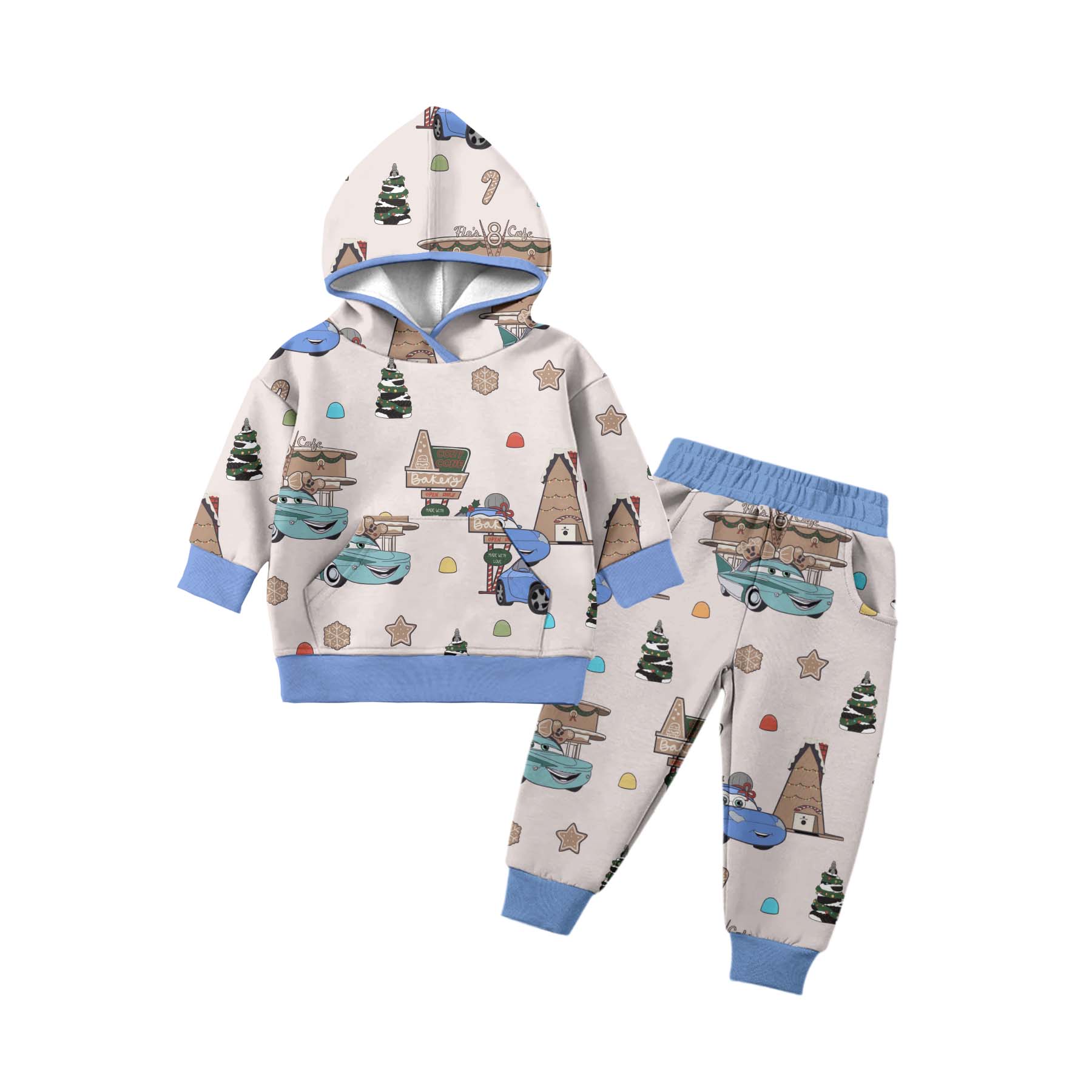
Consumer safety regulators enforce incredibly strict rules for nighttime apparel. True sleepwear must pass rigorous flammability tests. Manufacturers must treat the fabric with specialized flame retardants or construct the garment using strictly enforced, tight-fitting dimensions. Tight clothing deprives a potential fire of the oxygen it needs to spread. A standard daytime kids Hoodie completely bypasses these legal safety checks. Brands design play pajamas for relaxed, loose comfort. This loose fit introduces dangerous air gaps that allow flames to travel rapidly.
Feature | Daytime Hoodies / Loungewear | Regulated Sleepwear |
|---|---|---|
Flammability | Rarely tested; highly combustible loose fits. | Must pass strict burn tests or fit snugly. |
Neckline | Bulky hoods, drawstrings, thick collars. | Flat crew or V-neck, zero loose strings. |
Hardware | Metal zippers, aglets, heavy buttons. | Soft seams, covered zippers, minimal hardware. |
We must also evaluate the actual materials used in daytime garments. Manufacturers frequently construct heavy hoodies using thick polyesters and synthetic blends. These fabrics excel at blocking wind on a playground. However, they perform terribly under heavy blankets. They do not breathe. They trap sweat directly against the skin for hours. Trapping sweat in thick, non-breathable fabrics leads to severe nighttime eczema flare-ups. It triggers contact dermatitis. The dark, moist environment also encourages rapid bacterial and fungal growth.
Daytime clothing often features heavy hardware. Zippers, drawstrings, and metal aglets look stylish during the day. At night, they present significant dangers. A metal zipper pull can cause painful micro-abrasions against the chin. Hard plastic toggles press painfully into the spine. Drawstrings present an immediate choking risk during 8 to 10 hours of unsupervised sleep. You must eliminate these rigid elements from the bed entirely.
Every parent faces this exact situation eventually. You drive home late from a family event. Your child falls asleep exhausted in the car. They are wearing a thick, heavy hooded sweater. You carry them inside and lay them on the couch. The idea of waking them up to change clothes feels agonizing. You desperately want them to keep sleeping.
You must establish a firm rule for your household. Safety must always supersede uninterrupted sleep. Removing the hoodie is completely non-negotiable. Many parents try a dangerous compromise known as the "Tuck and Sleep" myth. They roll the hood inward and tuck it down the back of the child's shirt. Explain this to anyone watching your child: rolling the hood creates a thick fabric lump. This forces the neck upward, causing severe spinal misalignment. It places uncomfortable, sustained pressure on the cervical vertebrae. It also restricts the child's shoulder mobility, leading to painful cramps by morning.
Waking your child to change clothes actually offers long-term benefits. The physical act of changing out of daytime clothes acts as a critical neurological trigger. It helps establish excellent sleep hygiene. When you remove playwear and put on safe pajamas, you signal to the brain that the day has officially ended. This routine separation between daytime activity and nighttime rest helps children fall into deeper, more restorative sleep cycles.
You need a garment that offers excellent warmth retention. It must feature high breathability for moisture wicking. Most importantly, it must guarantee zero neck or head obstructions. Below is a breakdown of the best available options on the market.
Alternative Solution | Primary Benefit | Ideal Room Temp |
|---|---|---|
Footed Sleep Sacks | Zero loose blankets; allows safe walking. | Cool to Cold (16-19°C) |
Fleece Pajamas | High warmth-to-weight; easy bathroom access. | Moderate (19-21°C) |
Base Layering | Maximum temperature control; very snug fit. | Fluctuating Temperatures |
Many brands now manufacture wearable blankets specifically designed for older children. They feature open foot holes so toddlers and kindergarteners can walk.
Pros: This solution eliminates loose blankets entirely. It allows full mobility for 5-year-olds who need to walk to the bathroom independently in the dark.
Cons: They often cost more than traditional pajamas. Sizing must be highly precise. If the legs run too long, they introduce a frustrating tripping hazard.
Micro-fleece provides incredible insulation without the bulky weight of daytime outerwear.
Pros: These sets offer a high warmth-to-weight ratio. They adhere strictly to national flammability standards. The two-piece design makes late-night bathroom use incredibly easy.
Cons: Synthetic fleece does not breathe as well as natural fibers. It can still cause sweating if your home's ambient temperature fluctuates overnight.
Sometimes the best approach involves combining multiple thin layers rather than relying on one thick garment.
Pros: Layering provides maximum temperature control. You can easily remove one layer if the child runs hot. It uses safe, snug-fitting fabrics that hug the skin tightly.
Cons: It requires some trial and error. You must find the right TOG (Thermal Overall Grade) combination to match your specific climate.
You need a reliable framework to evaluate your child's current wardrobe. Use this step-by-step checklist to identify hidden dangers in their dresser.
Label Verification: Look closely for specific warning tags on the collar or side seam. If you see text stating "Not intended for sleepwear," pay attention. Explain to caregivers what this legally means. The garment failed safety and flammability testing for overnight use.
The Neckline Test: Lay the garment flat. Ensure the neckline is a simple crew or V-neck design. When worn, it must sit completely flat against the clavicle. Check for any excess bunching or thick rolling around the throat.
Fit and Form: Prioritize tight-fitting garments above all else. Avoid clothing that has loose, baggy fabric. Loose material easily rides up during active sleep. It could eventually cover the child's mouth or nose, restricting vital airflow.
Drawstring Elimination: Strictly audit all current sleepwear and daytime loungewear. Pull out any pants or tops containing neck strings or loose waist cords. These present a major regulatory red flag and cause countless nighttime injuries every year.
Navigating the balance between warmth and safety does not have to be difficult. Keep your favorite hoodies reserved strictly for daytime play, outdoor warmth, and evening lounging. You must establish a firm, non-negotiable boundary for bedtime attire. Safety always takes priority over aesthetics or temporary convenience.
Take action immediately. Audit your child’s current sleepwear drawer tonight. Remove any hooded items, drawstrings, or heavy daywear currently used as pajamas. Invest in footed sleep sacks or properly fitted thermal layers. This simple transition guarantees your child stays cozy while protecting their breathing and thermal regulation all night long.
A: No. Head coverings of any kind trap heat and risk slipping over the face during sleep. Children rely on their exposed heads to regulate core temperature. Instead of adding hats, use a heavier TOG sleep sack or safely adjust the ambient room temperature.
A: No. The zipper does not negate the presence of the hood. The hood remains the primary thermal and mechanical hazard. A zipper also introduces hard metal or plastic hardware under the chin, creating additional discomfort and abrasion risks.
A: While SIDS risks drop drastically after infancy, sleep experts advise against hoods in bed for adults and children alike. The bulky fabric disrupts thermal regulation, limits mobility, and drastically reduces overall sleep quality regardless of your age.


